
Options and Recovery for Plantar Fasciitis Surgery

Plantar fasciitis surgery is considered for individuals who have not found relief from conservative treatments after an extended period. Two primary surgical options are open surgery and endoscopic surgery. Open surgery involves a larger incision to release the plantar fascia or remove inflamed tissue, while endoscopic surgery uses smaller incisions and a camera for a minimally invasive approach. Good candidates for surgery typically include those with persistent pain, significant functional limitations, and no improvement despite comprehensive non-surgical treatments. Recovery times can vary based on the type of surgery, as open surgery may require a longer recovery period of several weeks, while endoscopic surgery often allows for a quicker return to normal activities, typically within a few weeks. If you have plantar fasciitis and are considering surgery for relief, it is suggested that you consult a podiatrist who can determine if this is the right decision for you.


Foot surgery is sometimes necessary to treat a foot ailment. To learn more, contact Cory Brown, DPM of Cory Brown, DPM. Our doctor will assist you with all of your foot and ankle needs.

When Is Surgery Necessary?

Foot and ankle surgery is generally reserved for cases in which less invasive, conservative procedures have failed to alleviate the problem. Some of the cases in which surgery may be necessary include:

  • Removing foot deformities like bunions and bone spurs
  • Severe arthritis that has caused bone issues
  • Cosmetic reconstruction

What Types of Surgery Are There?

The type of surgery you receive will depend on the nature of the problem you have. Some of the possible surgeries include:

  • Bunionectomy for painful bunions
  • Surgical fusion for realignment of bones
  • Neuropathy decompression surgery to treat nerve damage

Benefits of Surgery

Although surgery is usually a last resort, it can provide more complete pain relief compared to non-surgical methods and may allow you to finally resume full activity.

Surgical techniques have also become increasingly sophisticated. Techniques like endoscopic surgery allow for smaller incisions and faster recovery times.

If you have any questions, please feel free to contact our office located in Lewiston, ID . We offer the newest diagnostic and treatment technologies for all your foot care needs.

Read more about Foot and Ankle Surgery

Itchy Feet May Be a Cause for Concern

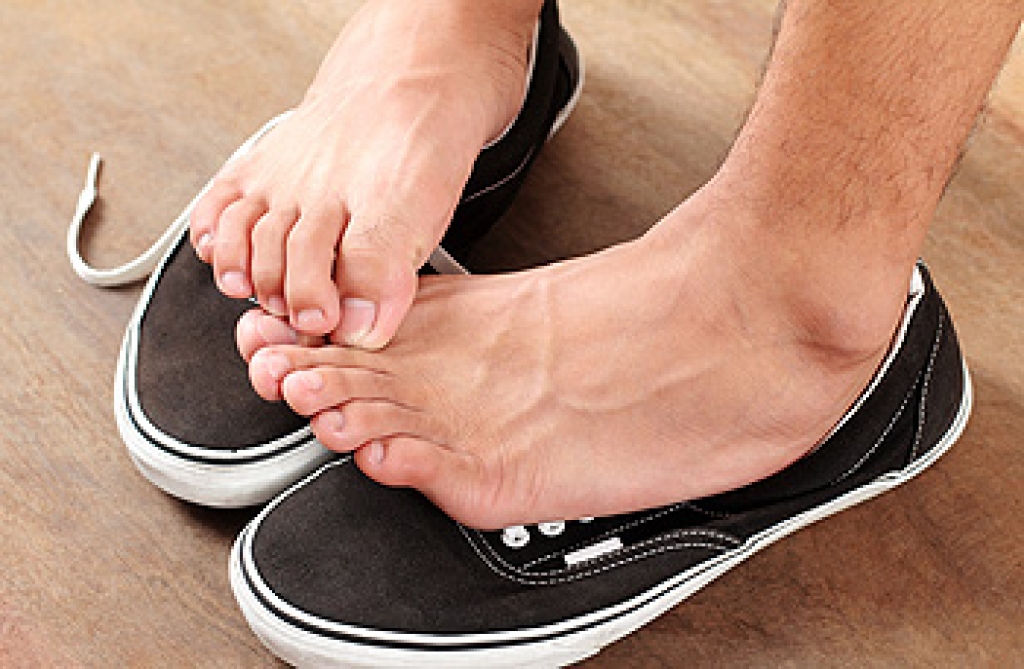
Itchy feet can be bothersome, but may also indicate an underlying issue that needs medical attention. The causes of itchy feet include fungal or bacterial infections, contact with allergens, or dry skin. In some cases, persistent itchiness can be linked to systemic conditions, like diabetes, thyroid problems, or kidney disease. If you experience itching along with other symptoms, like blisters, scaling, or redness, it may be time to seek professional help. A podiatrist can conduct a thorough exam to diagnose the root cause of the itchiness and develop a plan to bring relief and prevent complications. Quick action helps reduce the risk of further irritation or potential infections. It is suggested to avoid scratching, as it can worsen the symptoms and potentially lead to skin damage. If you have uncommonly itchy feet, it is suggested that you schedule an appointment with a podiatrist for an exam and treatment.

Everyday foot care is very important to prevent infection and other foot ailments. If you need your feet checked, contact Cory Brown, DPM from Cory Brown, DPM. Our doctor can provide the care you need to keep you pain-free and on your feet.

Everyday Foot Care

Often, people take care of their bodies, face and hair more so than they do for their feet. But the feet are a very important aspect of our bodies, and one that we should pay more attention to. Without our feet, we would not be able to perform most daily tasks.

It is best to check your feet regularly to make sure there are no new bruises or cuts that you may not have noticed before. For dry feet, moisturizer can easily be a remedy and can be applied as often as necessary to the affected areas. Wearing shoes that fit well can also help you maintain good foot health, as well as making it easier to walk and do daily activities without the stress or pain of ill-fitting shoes, high heels, or even flip flops. Wearing clean socks with closed shoes is important to ensure that sweat and bacteria do not accumulate within the shoe. Clean socks help to prevent Athlete’s foot, fungi problems, bad odors, and can absorb sweat.

If you have any questions, please feel free to contact our office located in Lewiston, ID . We offer the newest diagnostic and treatment technologies for all your foot care needs.
Read more about Every Day Foot Care

Heel Pain Can Be Treated!

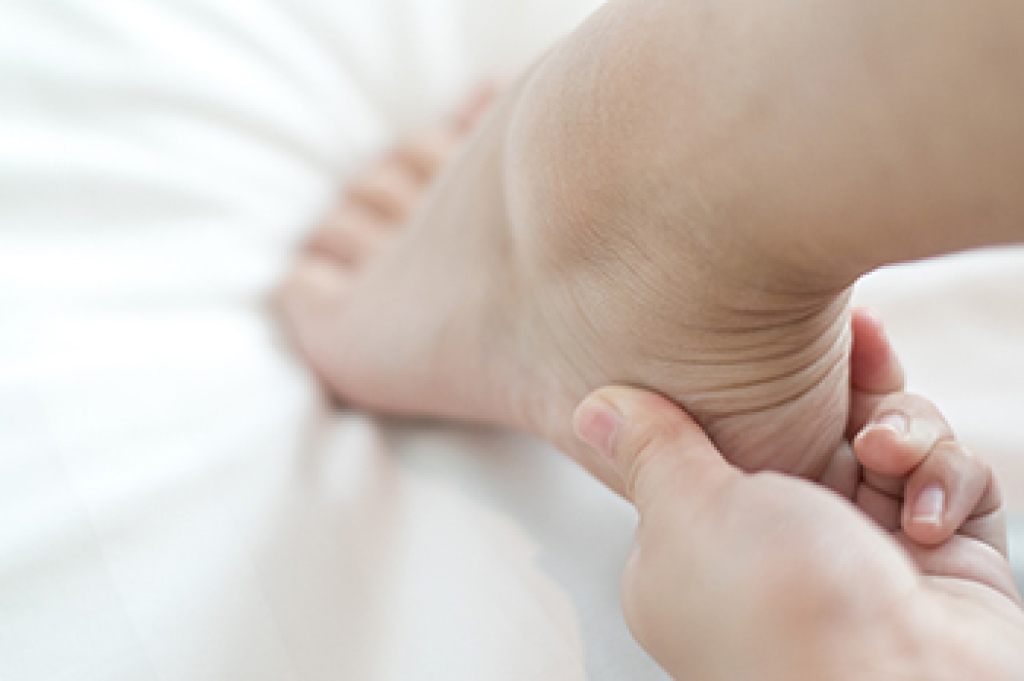
Do you suffer from heel pain when you get up in the morning? If so, you should seek professional help and have a proper diagnosis performed. Heel pain can be caused by several different foot-related conditions.

Recovering from Morton's Neuroma Surgery

Recovery from Morton's neuroma surgery typically involves a gradual process that emphasizes rest and rehabilitation. Initially, patients may need to keep weight off the foot for a few days to reduce swelling and discomfort. By the end of the first week, many can begin gentle range-of-motion exercises to promote flexibility. After two to four weeks, most individuals can gradually reintroduce weight-bearing activities, but high-impact exercises should be avoided until cleared by a podiatrist. Strengthening exercises can be incorporated around the four to six-week mark, focusing on improving stability and muscle support. Wearing appropriate footwear is critical during recovery to ensure comfort and prevent further irritation. If you have Morton's neuroma, it is strongly suggested that you consult a podiatrist who can determine if this type of foot surgery is right for you.

Morton’s neuroma is a very uncomfortable condition to live with. If you think you have Morton’s neuroma, contact Cory Brown, DPM of Cory Brown, DPM. Our doctor will attend to all of your foot care needs and answer any of your related questions.  

Morton’s Neuroma

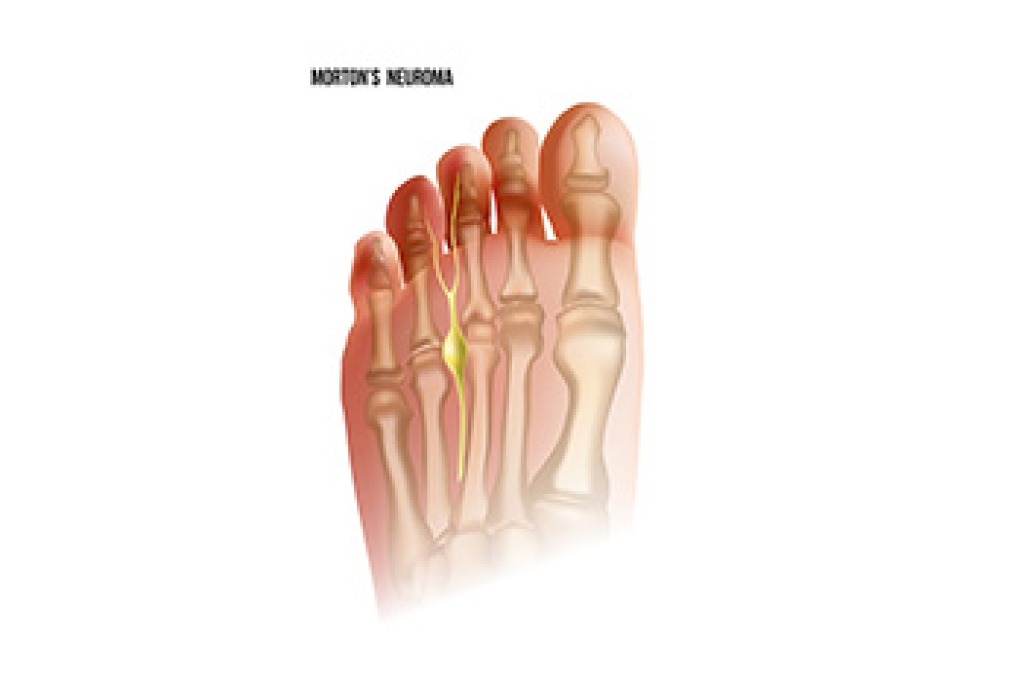
Morton's neuroma is a painful foot condition that commonly affects the areas between the second and third or third and fourth toe, although other areas of the foot are also susceptible. Morton’s neuroma is caused by an inflamed nerve in the foot that is being squeezed and aggravated by surrounding bones.

What Increases the Chances of Having Morton’s Neuroma?

  • Ill-fitting high heels or shoes that add pressure to the toe or foot
  • Jogging, running or any sport that involves constant impact to the foot
  • Flat feet, bunions, and any other foot deformities

Morton’s neuroma is a very treatable condition. Orthotics and shoe inserts can often be used to alleviate the pain on the forefront of the feet. In more severe cases, corticosteroids can also be prescribed. In order to figure out the best treatment for your neuroma, it’s recommended to seek the care of a podiatrist who can diagnose your condition and provide different treatment options.

If you have any questions, please feel free to contact our office located in Lewiston, ID . We offer the newest diagnostic and treatment technologies for all your foot care needs.
Read more about Morton's Neuroma

Sever’s Disease and Children

Sever's disease, or calcaneal apophysitis, affects children and adolescents, particularly those who are active in sports. It involves swelling and irritation of the growth plate in the heel, specifically the area where bone growth occurs, and is more susceptible to injury. Symptoms of Sever's disease typically include pain and tenderness in one or both heels. You might also notice swelling and redness in the heel, stiffness when first waking up, and limping or walking on tiptoes to avoid discomfort. Pain can intensify during or after physical activity and tends to improve with rest. The good news is that with proper management by a podiatrist, Sever's disease usually resolves within a few months and does not cause lasting issues. If your child is experiencing these symptoms, it is suggested you schedule an appointment with a podiatrist. They can provide guidance on treatment options to ease the pain and ensure a smooth recovery.

Sever's disease often occurs in children and teens. If your child is experiencing foot or ankle pain, see Cory Brown, DPM from Cory Brown, DPM. Our doctor can treat your child’s foot and ankle needs.

Sever’s Disease

Sever’s disease is also known as calcaneal apophysitis, which is a medical condition that causes heel pain I none or both feet. The disease is known to affect children between the ages of 8 and 14.

Sever’s disease occurs when part of the child’s heel known as the growth plate (calcaneal epiphysis) is attached to the Achilles tendon. This area can suffer injury when the muscles and tendons of the growing foot do not keep pace with bone growth. Therefore, the constant pain which one experiences at the back of the heel will make the child unable to put any weight on the heel. The child is then forced to walk on their toes.

Symptoms

Acute pain – Pain associated with Sever’s disease is usually felt in the heel when the child engages in physical activity such as walking, jumping and or running.

Highly active – Children who are very active are among the most susceptible in experiencing Sever’s disease, because of the stress and tension placed on their feet.

If you have any questions, please feel free to contact our office located in Lewiston, ID . We offer the newest diagnostic and treatment technologies for all your foot care needs.

Read more about Sever's Disease

Connect With Us