What Causes Heel Pain?

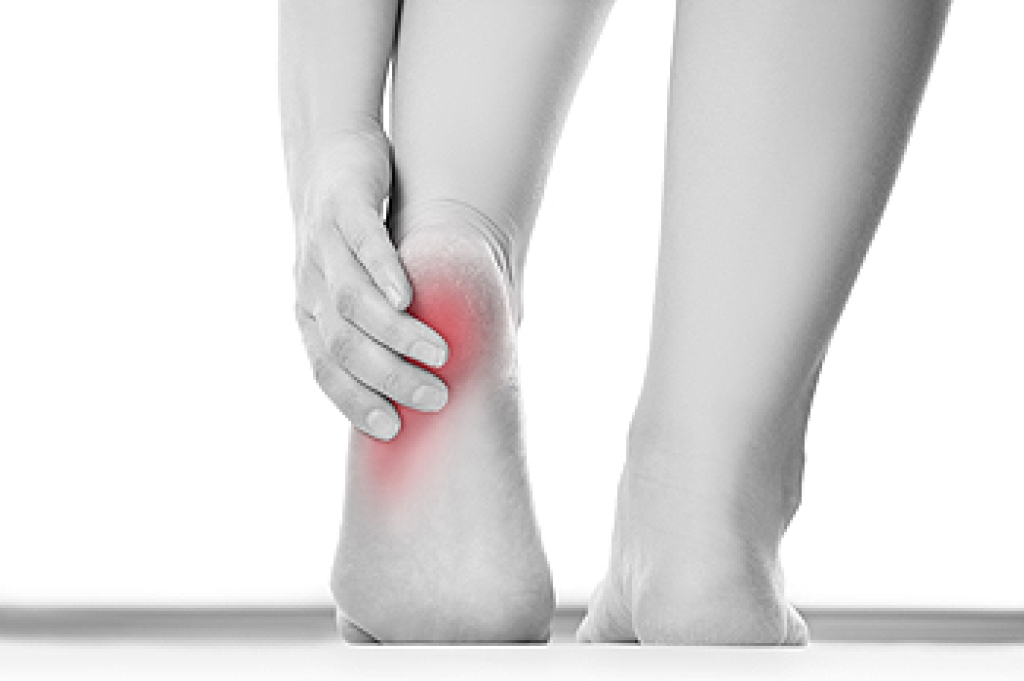
Heel pain can have a wide variety of causes, but the location of the pain can help to guide a proper diagnosis. Pain along the bottom of the foot can be caused by plantar fasciitis, heel pad syndrome, plantar warts, calcaneal stress fractures, nerve entrapment, or a neuroma. Pain in the middle of the foot can be due to peroneal tendinopathy, sinus tarsi syndrome, or tarsal tunnel syndrome. Pain in the back of the foot can be caused by Sever’s disease, Achilles tendinopathy, or a Haglund deformity. Seeing a podiatrist is the first step to healing your heel pain. A podiatrist will be able to examine your heel, ask questions about your current symptoms and medical history, and perform the tests necessary to diagnose and treat your heel pain.

Many people suffer from bouts of heel pain. For more information, contact Cory Brown, DPM of Cory Brown, DPM. Our doctor can provide the care you need to keep you pain-free and on your feet.

Causes of Heel Pain

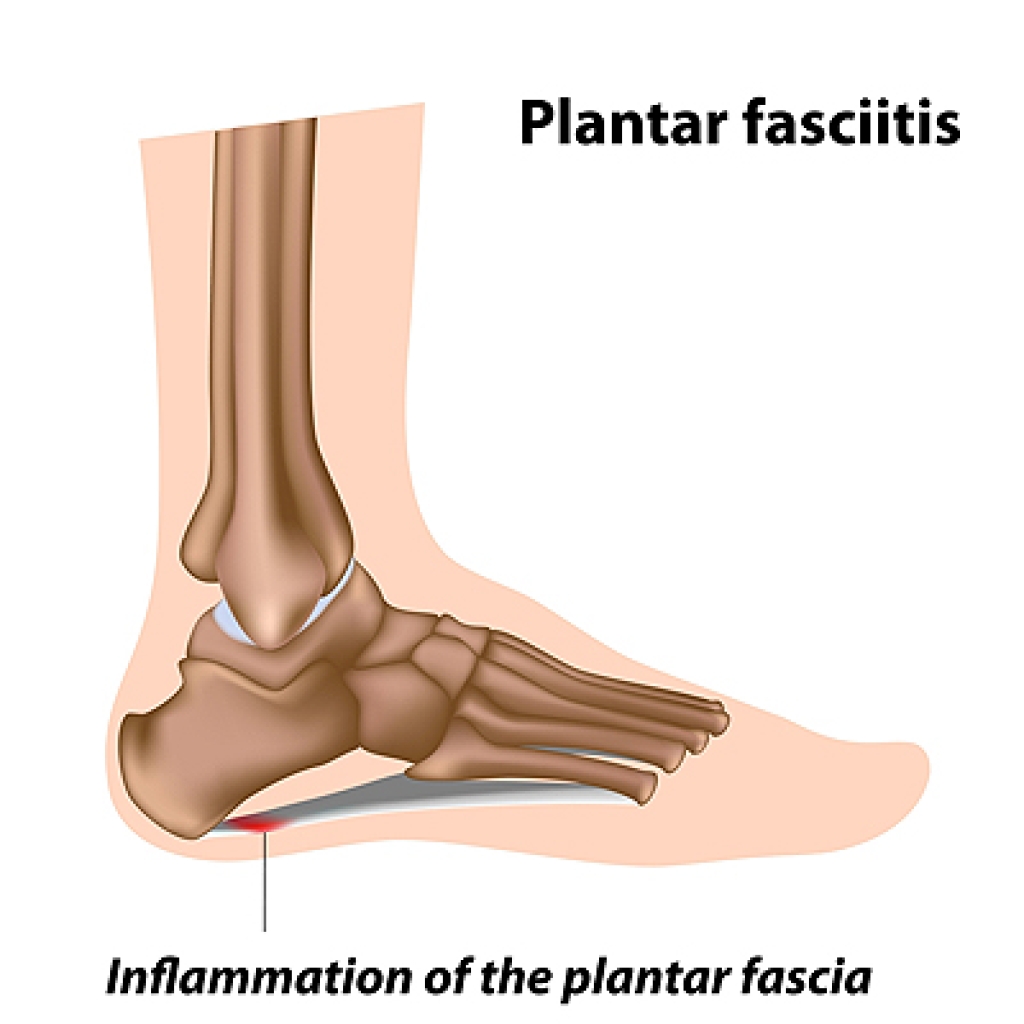
Heel pain is often associated with plantar fasciitis. The plantar fascia is a band of tissues that extends along the bottom of the foot. A rip or tear in this ligament can cause inflammation of the tissue.

Achilles tendonitis is another cause of heel pain. Inflammation of the Achilles tendon will cause pain from fractures and muscle tearing. Lack of flexibility is also another symptom.

Heel spurs are another cause of pain. When the tissues of the plantar fascia undergo a great deal of stress, it can lead to ligament separation from the heel bone, causing heel spurs.

Why Might Heel Pain Occur?

  • Wearing ill-fitting shoes                
  • Wearing non-supportive shoes
  • Weight change           
  • Excessive running

Treatments

Heel pain should be treated as soon as possible for immediate results. Keeping your feet in a stress-free environment will help. If you suffer from Achilles tendonitis or plantar fasciitis, applying ice will reduce the swelling. Stretching before an exercise like running will help the muscles. Using all these tips will help make heel pain a condition of the past.

If you have any questions, please feel free to contact our office located in Lewiston, ID . We offer the newest diagnostic and treatment technologies for all your foot care needs.
Read more about Heel Pain

How Appropriate Footwear Reduces the Risk of Falling for Older Adults

Because older adults often deal with balance and mobility issues, their risk of falling is increased. Proper footwear can help reduce that risk, even in those with diabetes, arthritis and neurodegenerative diseases. High heels and sling-back or backless shoes can be particularly hazardous as they reduce a person’s ability to maintain balance. While older adults with diabetes or foot pain are often more familiar with foot care practices, all older adults can benefit from contacting a podiatrist to learn more about foot and ankle health and what shoes are best for improving balance and reducing their risk of falling and serious injury.

Preventing falls among the elderly is very important. If you are older and have fallen or fear that you are prone to falling, consult with Cory Brown, DPM from Cory Brown, DPM. Our doctor will assess your condition and provide you with quality advice and care.

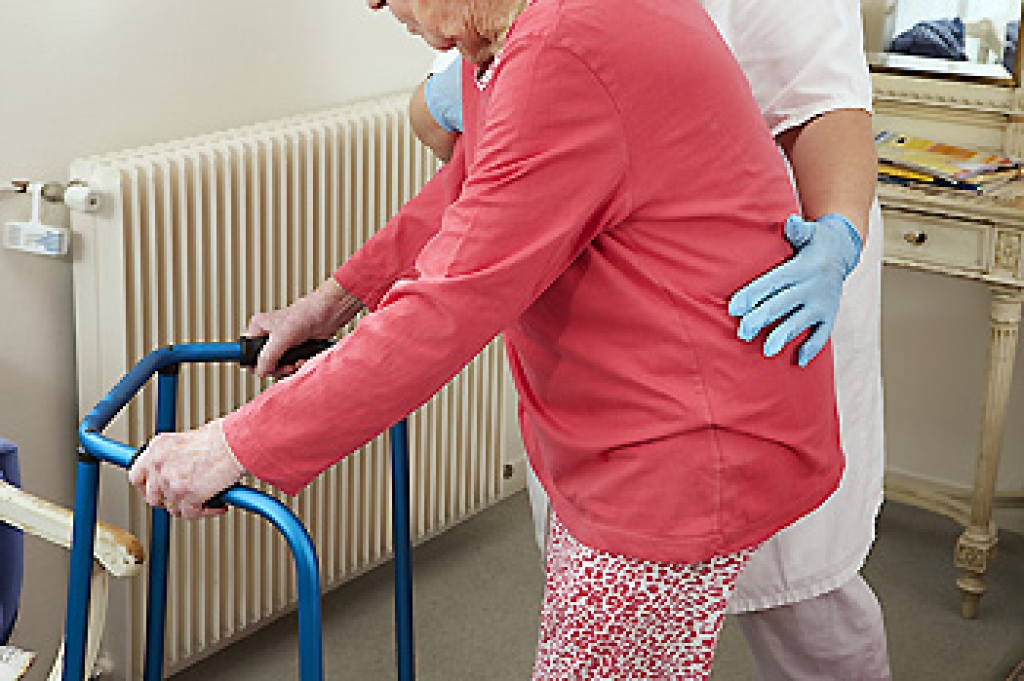
Every 11 seconds, an elderly American is being treated in an emergency room for a fall related injury. Falls are the leading cause of head and hip injuries for those 65 and older. Due to decreases in strength, balance, senses, and lack of awareness, elderly persons are very susceptible to falling. Thankfully, there are a number of things older persons can do to prevent falls.

How to Prevent Falls

Some effective methods that older persons can do to prevent falls include:

  • Enrolling in strength and balance exercise program to increase balance and strength
  • Periodically having your sight and hearing checked
  • Discuss any medications you have with a doctor to see if it increases the risk of falling
  • Clearing the house of falling hazards and installing devices like grab bars and railings
  • Utilizing a walker or cane
  • Wearing shoes that provide good support and cushioning
  • Talking to family members about falling and increasing awareness

Falling can be a traumatic and embarrassing experience for elderly persons; this can make them less willing to leave the house, and less willing to talk to someone about their fears of falling. Doing such things, however, will increase the likelihood of tripping or losing one’s balance. Knowing the causes of falling and how to prevent them is the best way to mitigate the risk of serious injury.  

If you have any questions, please feel free to contact our office located in Lewiston, ID . We offer the newest diagnostic and treatment technologies for all your foot care needs.

Read more about Falls Prevention

Diagnosing and Treating a Broken Toe

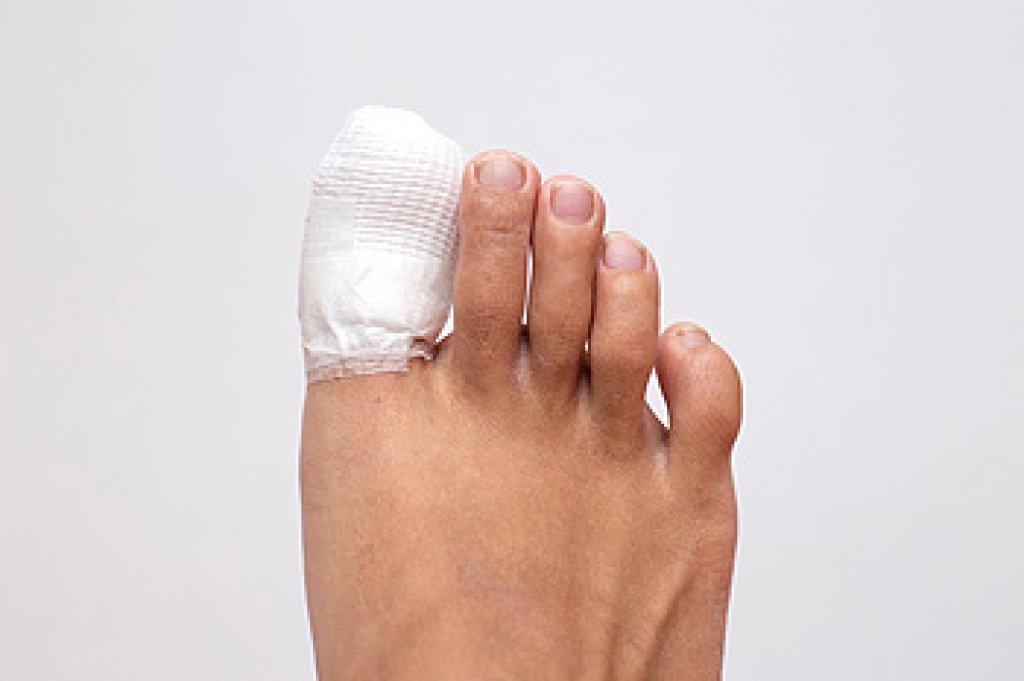
Broken toes are often a result of something being dropped on it, stubbing it, or bending it the wrong way. Broken toes are often indicated by a snap or popping sound when the injury occurs, swelling, bruising, deformity, decreased movement, and worsening pain when the toe is moved or touched. Patients who believe that they have broken their toe should consult with a podiatrist for a proper diagnosis. A podiatrist will check the toe and may need to take an x-ray. Once the broken toe has been diagnosed, the podiatrist will choose the treatment option that is best for the particular injury. Depending on the severity of the break, the toe may be “buddy-taped” to the uninjured toe next to it. A cast, splint, or brace may also be used to treat the toe, and in severe cases, surgery may be necessary.

A broken toe can be very painful and lead to complications if not properly fixed. If you have any concerns about your feet, contact Cory Brown, DPM from Cory Brown, DPM. Our doctor will treat your foot and ankle needs.

What to Know About a Broken Toe

Although most people try to avoid foot trauma such as banging, stubbing, or dropping heavy objects on their feet, the unfortunate fact is that it is a common occurrence. Given the fact that toes are positioned in front of the feet, they typically sustain the brunt of such trauma. When trauma occurs to a toe, the result can be a painful break (fracture).

Symptoms of a Broken Toe

  • Throbbing pain
  • Swelling
  • Bruising on the skin and toenail
  • The inability to move the toe
  • Toe appears crooked or disfigured
  • Tingling or numbness in the toe

Generally, it is best to stay off of the injured toe with the affected foot elevated.

Severe toe fractures may be treated with a splint, cast, and in some cases, minor surgery. Due to its position and the pressure it endures with daily activity, future complications can occur if the big toe is not properly treated.

If you have any questions, please feel free to contact our office located in Lewiston, ID . We offer the newest diagnostic and treatment technologies for all your foot care needs.

Read more about What to Know About a Broken Toe

Risk Factors and Symptoms of Plantar Fasciitis

The thick and fibrous band of tissue that runs along the bottom of the foot connecting the heel bone to the front of your foot is known as the plantar fascia. Inflammation of the plantar fascia, usually as a result of overuse, is known as plantar fasciitis. Plantar fasciitis usually leads to heel pain, heel spurs, or arch pain. Athletes who participate in sports that require a lot of running and jumping are said to be at a higher risk for developing this condition. One of the most common symptoms is pain that becomes worse after long periods of rest. This includes arising in the morning and after sitting for extended periods of time. Anyone who is struggling with heel pain should consult with a podiatrist who can help diagnose and provide various treatment options for plantar fasciitis.

Plantar fasciitis can be very painful and inconvenient. If you are experiencing heel pain or symptoms of plantar fasciitis, contact Cory Brown, DPM  from Cory Brown, DPM. Our doctor can provide the care you need to keep you pain-free and on your feet.

What Is Plantar Fasciitis?

Plantar fasciitis is the inflammation of the thick band of tissue that runs along the bottom of your foot, known as the plantar fascia, and causes mild to severe heel pain.

What Causes Plantar Fasciitis?

  • Excessive running
  • Non-supportive shoes
  • Overpronation
  • Repeated stretching and tearing of the plantar fascia

How Can It Be Treated?

  • Conservative measures – anti-inflammatories, ice packs, stretching exercises, physical therapy, orthotic devices
  • Shockwave therapy – sound waves are sent to the affected area to facilitate healing and are usually used for chronic cases of plantar fasciitis
  • Surgery – usually only used as a last resort when all else fails. The plantar fascia can be surgically detached from the heel

While very treatable, plantar fasciitis is definitely not something that should be ignored. Especially in severe cases, speaking to your doctor right away is highly recommended to avoid complications and severe heel pain. Your podiatrist can work with you to provide the appropriate treatment options tailored to your condition.

If you have any questions, please feel free to contact our office located in Lewiston, ID . We offer the newest diagnostic and treatment technologies for all your foot care needs.

Read more about Plantar Fasciitis

Connect With Us