What You Should Know About Peripheral Artery Disorders

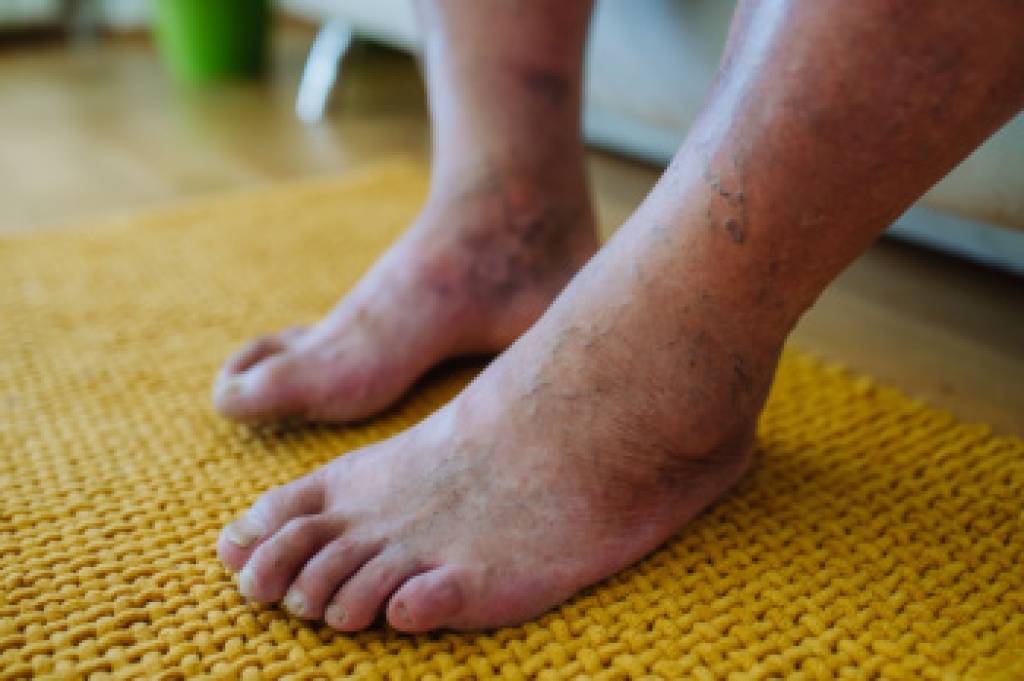
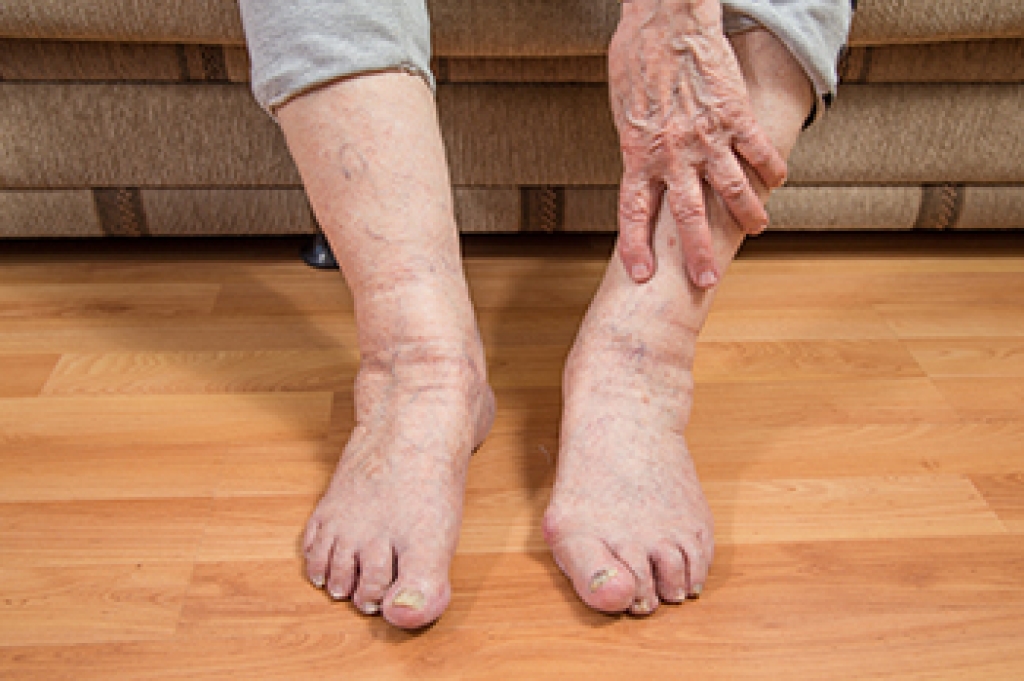
Peripheral artery disorders occur when circulation to the legs and feet becomes restricted because the arteries have narrowed or hardened. As blood flow decreases, the muscles and skin do not receive enough oxygen, leading to cramping during activity, fatigue in the calves, or a heavy feeling that improves with rest. Some people notice their feet feel cooler than usual or see wounds taking much longer to heal. These circulation problems often develop gradually and are influenced by aging, smoking, diabetes, high cholesterol, and high blood pressure. Recognizing the early signs matters because untreated poor circulation can lead to infections or chronic ulcers. With proper diagnosis, treatment options can improve comfort and help protect long-term mobility. If you notice persistent foot discomfort, numbness, or slow-healing sores, it is suggested that you see a podiatrist for an evaluation and appropriate care.

Peripheral artery disease can pose a serious risk to your health. It can increase the risk of stroke and heart attack. If you have symptoms of peripheral artery disease, consult with Cory Brown, DPM from Cory Brown, DPM. Our doctor will assess your condition and provide you with quality foot and ankle treatment.

Peripheral artery disease (PAD) is when arteries are constricted due to plaque (fatty deposits) build-up. This results in less blood flow to the legs and other extremities. The main cause of PAD is atherosclerosis, in which plaque builds up in the arteries.

Symptoms

Symptoms of PAD include:

  • Claudication (leg pain from walking)
  • Numbness in legs
  • Decrease in growth of leg hair and toenails
  • Paleness of the skin
  • Erectile dysfunction
  • Sores and wounds on legs and feet that won’t heal
  • Coldness in one leg

It is important to note that a majority of individuals never show any symptoms of PAD.

Diagnosis

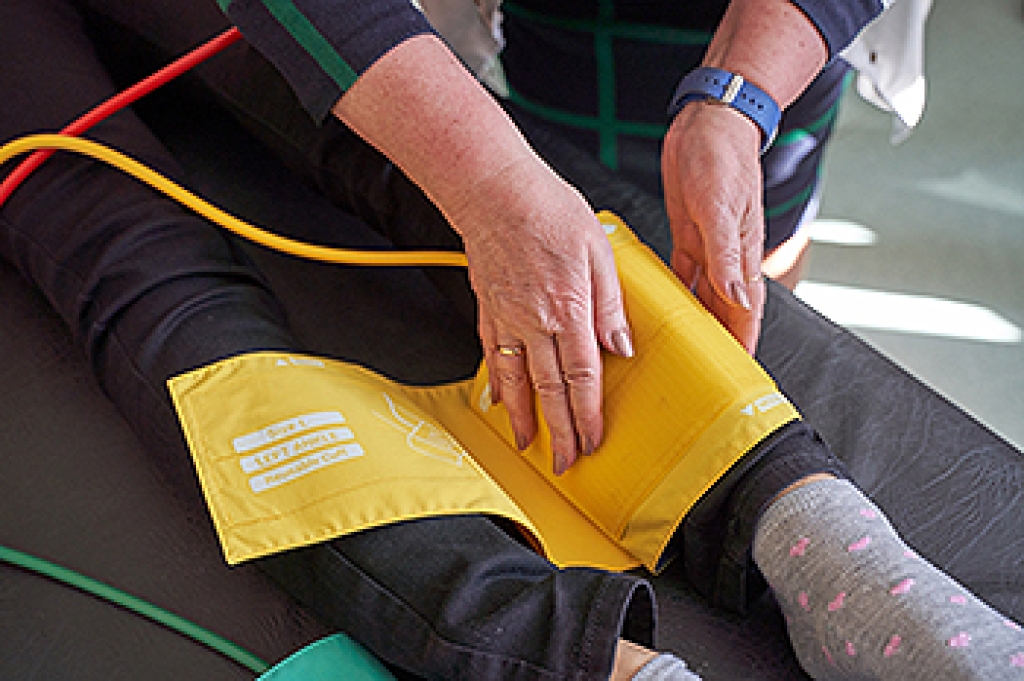
While PAD occurs in the legs and arteries, Podiatrists can diagnose PAD. Podiatrists utilize a test called an ankle-brachial index (ABI). An ABI test compares blood pressure in your arm to you ankle to see if any abnormality occurs. Ultrasound and imaging devices may also be used.

Treatment

Fortunately, lifestyle changes such as maintaining a healthy diet, exercising, managing cholesterol and blood sugar levels, and quitting smoking, can all treat PAD. Medications that prevent clots from occurring can be prescribed. Finally, in some cases, surgery may be recommended.

If you have any questions, please feel free to contact our office located in Lewiston, ID . We offer the newest diagnostic and treatment technologies for all your foot care needs.

Read more about Peripheral Artery Disease

Getting Help With Foot Drop Syndrome

Foot drop syndrome occurs when a person cannot lift the front of the foot, causing the toes to drag while walking. This can make walking difficult and lead to a high-stepping motion, called a steppage gait. Foot drop can affect one or both feet. It often results from nerve injury, muscle weakness, or brain disorders that affect muscle control. Sometimes, pressure on the peroneal nerve near the knee or trauma to the leg can cause foot drop. A podiatrist can help by checking muscle strength, testing nerve function, and studying foot movement to find the cause. They can order imaging or nerve tests and fit ankle-foot braces or orthotic inserts to improve walking. Surgical remedies can be discussed if nerve or muscle damage is deemed permanent. If you are experiencing symptoms of foot drop when you walk, it is suggested that you make an appointment with a podiatrist for a diagnosis and treatment options.

If you have any concerns about your feet, contact Cory Brown, DPM from Cory Brown, DPM. Our doctor can provide the care you need to keep you pain-free and on your feet.

Biomechanics in Podiatry

Podiatric biomechanics is a particular sector of specialty podiatry with licensed practitioners who are trained to diagnose and treat conditions affecting the foot, ankle and lower leg. Biomechanics deals with the forces that act against the body, causing an interference with the biological structures. It focuses on the movement of the ankle, the foot and the forces that interact with them.

A History of Biomechanics

  • Biomechanics dates back to the BC era in Egypt where evidence of professional foot care has been recorded.
  • In 1974, biomechanics gained a higher profile from the studies of Merton Root, who claimed that by changing or controlling the forces between the ankle and the foot, corrections or conditions could be implemented to gain strength and coordination in the area.

Modern technological improvements are based on past theories and therapeutic processes that provide a better understanding of podiatric concepts for biomechanics. Computers can provide accurate information about the forces and patterns of the feet and lower legs.

Understanding biomechanics of the feet can help improve and eliminate pain, stopping further stress to the foot.

If you have any questions please feel free to contact our office located in Lewiston, ID . We offer the newest diagnostic and treatment technologies for all your foot and ankle needs.

Read more about The Importance of Biomechanics in Podiatry

Connect With Us