
Rheumatoid Arthritis in the Feet

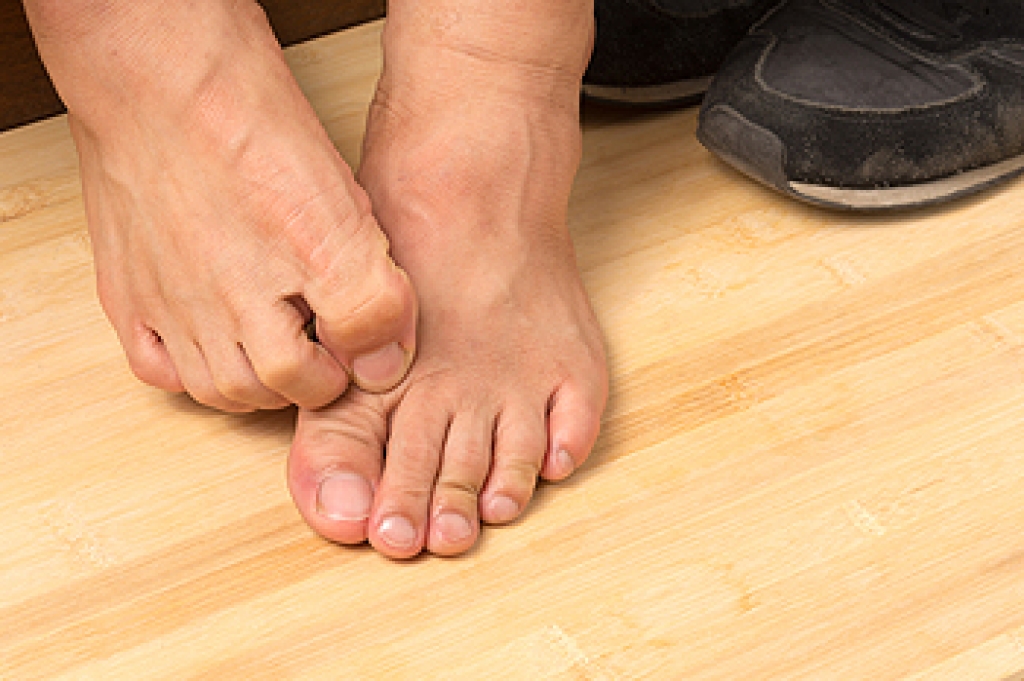
Rheumatoid arthritis is an autoimmune disease in which the body’s immune system attacks healthy joints and surrounding tissues. This leads to joint stiffness, inflammation, swelling, and pain. Rheumatoid arthritis often affects the joints of the feet and ankles. Although this is a chronic condition and does not have a cure, rheumatoid arthritis can be treated, and its symptoms can be managed. If your arthritis affects your feet and ankles, your podiatrist can help by prescribing custom orthotics, recommending exercises, and suggesting lifestyle modifications that may reduce the symptoms of rheumatoid arthritis.

Because RA affects more than just your joints, including the joints in your feet and ankles, it is important to seek early diagnosis from your podiatrist if you feel like the pain in your feet might be caused by RA. For more information, contact Cory Brown, DPM of Cory Brown, DPM. Our doctor will assist you with all of your podiatric concerns.

What Is Rheumatoid Arthritis?

Rheumatoid Arthritis (RA) is an autoimmune disorder in which the body’s own immune system attacks the membranes surrounding the joints. Inflammation of the lining and eventually the destruction of the joint’s cartilage and bone occur, causing severe pain and immobility.

Rheumatoid Arthritis of the Feet

Although RA usually attacks multiple bones and joints throughout the entire body, almost 90 percent of cases result in pain in the foot or ankle area.

Symptoms

  • Swelling and pain in the feet
  • Stiffness in the feet
  • Pain on the ball or sole of feet
  • Joint shift and deformation

Diagnosis

Quick diagnosis of RA in the feet is important so that the podiatrist can treat the area effectively. Your doctor will ask you about your medical history, occupation, and lifestyle to determine the origin of the condition. Rheumatoid Factor tests help to determine if someone is affected by the disease.

If you have any questions, please feel free to contact our office located in Lewiston, ID . We offer the newest diagnostic and treatment technologies for all your foot care needs.
Read more about Rheumatoid Arthritis in the Feet

What Should I Do for My Sweaty Feet?

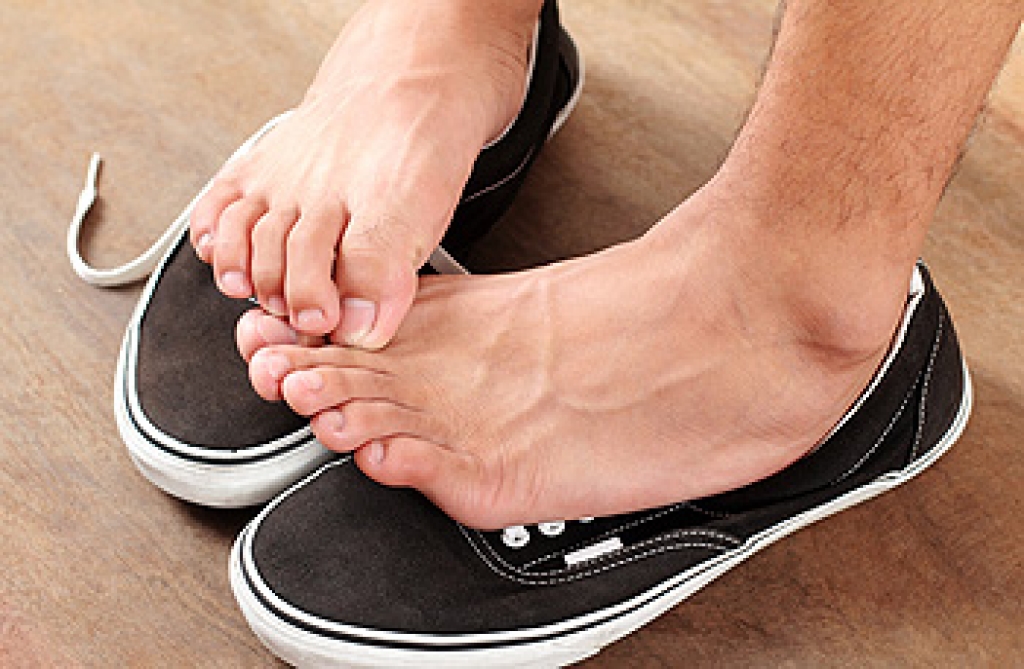
Excessive and uncontrollable sweating can be embarrassing and uncomfortable. This is known as hyperhidrosis and can often affect the feet. Hyperhidrosis usually occurs when the sweat glands are activated longer than they should be, and issues such as soggy footwear, athletes foot, fungal nail infections and constantly cold feet can occur. Patients who are struggling with overly sweaty feet should consult with a podiatrist in order to find a proper treatment method. Treatment options that may be suggested for hyperhidrosis include prescriptions, surgery to remove sweat glands, or iontophoresis which involves the use of electrical currents. 

If you are suffering from hyperhidrosis contact Cory Brown, DPM of Cory Brown, DPM. Our doctor can provide the care you need to attend to all of your foot and ankle needs.

Hyperhidrosis of the Feet

Hyperhidrosis is a rare disorder that can cause people to have excessive sweating of their feet. This can usually occur all on its own without rigorous activity involved. People who suffer from hyperhidrosis may also experience sweaty palms.

Although it is said that sweating is a healthy process meant to cool down the body temperature and to maintain a proper internal temperature, hyperhidrosis may prove to be a huge hindrance on a person’s everyday life.

Plantar hyperhidrosis is considered to be the main form of hyperhidrosis. Secondary hyperhidrosis can refer to sweating that occurs in areas other than the feet or hands and armpits. Often this may be a sign of it being related to another medical condition such as menopause, hyperthyroidism and even Parkinson’s disease.

In order to alleviate this condition, it is important to see your doctor so that they may prescribe the necessary medications so that you can begin to live a normal life again. If this is left untreated, it is said that it will persist throughout an individual’s life.

A last resort approach would be surgery, but it is best to speak with your doctor to find out what may be the best treatment for you.

If you have any questions, please feel free to contact our office located in Lewiston, ID . We offer the newest diagnostic and treatment technologies for all your foot care needs.

Read more about Hyperhidrosis of the Feet

How Ringworm Can Lead to Athlete's Foot

Despite what its name may suggest, ringworm is actually a type of fungal infection. It can cause various skin problems throughout the body. On the skin of the feet, ringworm can be responsible for athlete’s foot. The symptoms of athlete’s foot include an itchy, burning rash between the toes and on the soles of the feet, scaly, cracked, or blistered skin, and possible foot odor. Athlete’s foot and other types of ringworm infections are highly contagious, and can be contracted from direct contact with contaminated surfaces, such as locker room floors, or from sharing personal items like shoes or towels with an infected person. If you have athlete’s foot, it is suggested that you seek the care of a podiatrist, who can prescribe the right treatment for you. 

Athlete’s foot is an inconvenient condition that can be easily reduced with the proper treatment. If you have any concerns about your feet and ankles, contact Cory Brown, DPM from Cory Brown, DPM.  Our doctor will treat your foot and ankle needs.

Athlete’s Foot: The Sole Story

Athlete's foot, also known as tinea pedis, can be an extremely contagious foot infection. It is commonly contracted in public changing areas and bathrooms, dormitory style living quarters, around locker rooms and public swimming pools, or anywhere your feet often come into contact with other people.

Solutions to Combat Athlete’s Foot

  • Hydrate your feet by using lotion
  • Exfoliate
  • Buff off nails
  • Use of anti-fungal products
  • Examine your feet and visit your doctor if any suspicious blisters or cuts develop

Athlete’s foot can cause many irritating symptoms such as dry and flaking skin, itching, and redness. Some more severe symptoms can include bleeding and cracked skin, intense itching and burning, and even pain when walking. In the worst cases, Athlete’s foot can cause blistering as well. Speak to your podiatrist for a better understanding of the different causes of Athlete’s foot, as well as help in determining which treatment options are best for you.

If you have any questions please feel free to contact our office located in Lewiston, ID . We offer the newest diagnostic and treatment technologies for all your foot and ankle needs.

Read more about Athlete's Foot

What Foot Conditions Can Affect Children?

When it comes to foot problems, children are susceptible to many of the same conditions as adults. Problems on the skin of the feet, such as plantar warts, athlete’s foot, ingrown toenails, calluses, and blisters are all common in children. Foot and ankle pain, caused by conditions such as plantar fasciitis, a stress fracture, or having flat feet, is also common in children. Being active or playing certain sports can increase the risk of foot and ankle injuries, including sprained ankles and Sever’s disease. For more information about pediatric foot problems, please consult with a podiatrist.

Making sure that your children maintain good foot health is very important as they grow. If you have any questions, contact Cory Brown, DPM of Cory Brown, DPM. Our doctor can provide the care you need to keep you pain-free and on your feet.

Keeping Children's Feet Healthy

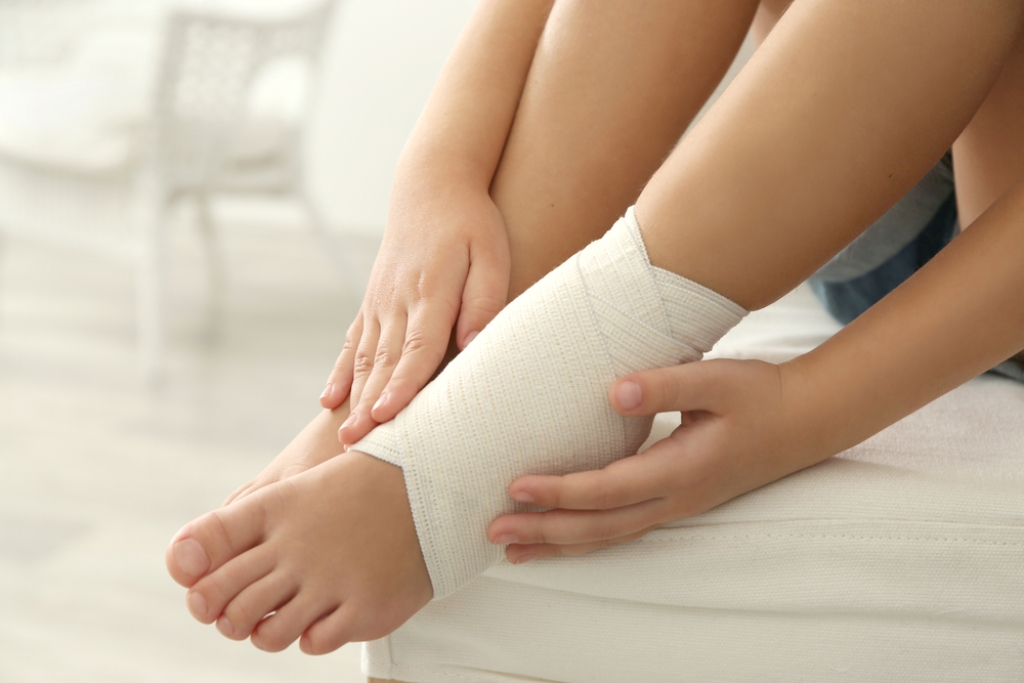
Having healthy feet during childhood can help prevent medical problems later in life, namely in the back and legs. As children grow, their feet require different types of care. Here are some things to consider...

Although babies do not walk yet, it is still very important to take care of their feet.

Avoid putting tight shoes or socks on his or her feet.

Allow the baby to stretch and kick his or her feet to feel comfortable.

As a toddler, kids are now on the move and begin to develop differently. At this age, toddlers are getting a feel for walking, so don’t be alarmed if your toddler is unsteady or ‘walks funny’. 

As your child gets older, it is important to teach them how to take care of their feet.

Show them proper hygiene to prevent infections such as fungus.

Be watchful for any pain or injury.

Have all injuries checked by a doctor as soon as possible.

Comfortable, protective shoes should always be worn, especially at play.

If you have any questions, please feel free to contact our office located in Lewiston, ID . We offer the newest diagnostic and treatment technologies for all your foot care needs.
Read more about What to Do to Keep Your Child’s Feet Healthy

What Is a High Ankle Sprain?

A high ankle sprain, also known as a syndesmosis injury, can occur when the ankle is forcefully twisted upwards and away from your body during physical activity. This can happen while playing contact sports. For example, if somebody falls onto the outside of your ankle, it may force the ankle to move beyond its normal range, resulting in a high ankle sprain. A high ankle sprain differs from the more common lateral ankle sprain by its symptoms. While a lateral ankle sprain is painful, the pain from a high ankle sprain is usually more severe. It may be extremely difficult to bear weight on the ankle. However, high ankle sprains generally don’t bruise or swell as much as lateral ankle sprains. If you sustain any type of ankle sprain, it is suggested that you see a podiatrist for treatment.

Although ankle sprains are common, they aren’t always minor injuries. If you need your ankle injury looked at, contact Cory Brown, DPM from Cory Brown, DPM. Our doctor can provide the care you need to keep you pain-free and on your feet.

How Does an Ankle Sprain Occur?

Ankle sprains are the result of a tear in the ligaments within the ankle. These injuries may happen when you make a rapid shifting movement while your foot is planted. A less common way to sprain your ankle is when your ankle rolls inward while your foot turns outward.

What Are the Symptoms?

  • Pain at the sight of the tear
  • Bruising/Swelling
  • Ankle area is tender to touch
  • In severe cases, may hear/feel something tear
  • Skin discoloration

Preventing a Sprain

  • Wearing appropriate shoes for the occasion
  • Stretching before exercises and sports
  • Knowing your limits

Treatment of a Sprain

In many cases, the RICE method (Rest, Ice, Compression, and Elevate) is used to treat ankle sprains. However, you should see a podiatrist to see which treatment option would work best with your injury. In severe cases, surgery may be required.

It is important to ask your doctor about rehab options after you receive treatment for your injury. Stretching, strength training, and balance exercises may help the ankle heal while also preventing further injury.

If you have any questions, please feel free to contact our office located in Lewiston, ID . We offer the newest diagnostic and treatment technologies for all your foot care needs.

Read more about Ankle Sprains

Connect With Us