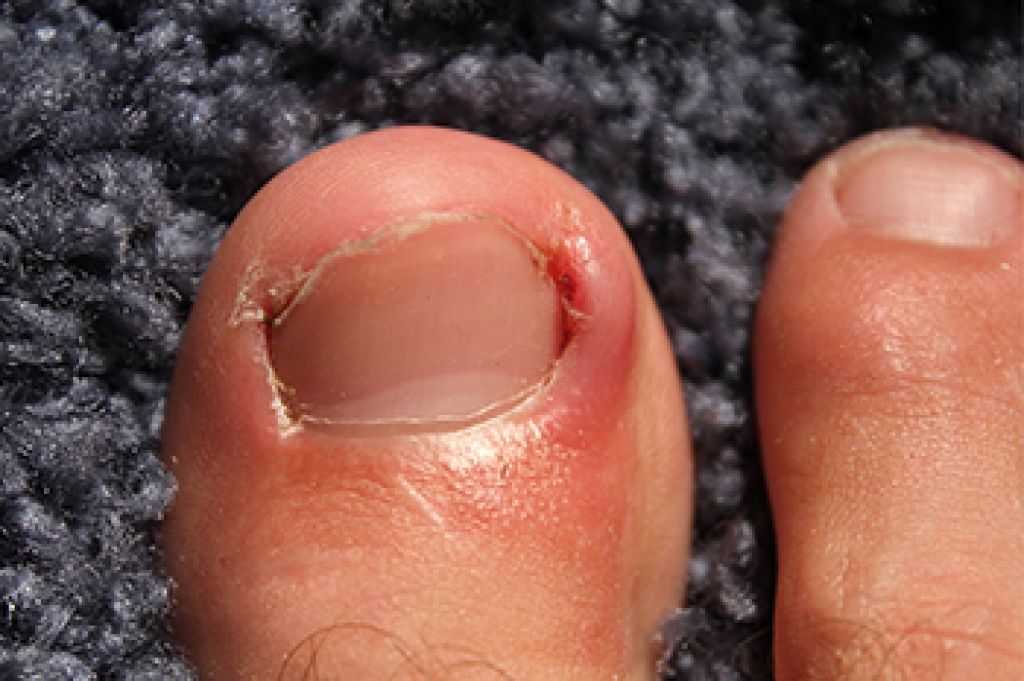
Treatment for Infected Ingrown Toenails

An ingrown toenail develops when the edge of the nail grows into the skin along the side of the toe, often causing pain, swelling, and sometimes infection. When an ingrown toenail does not improve or worsens, a podiatrist may recommend a medical procedure. One common option is a partial nail avulsion, which involves numbing the toe with a local anesthetic and then removing only the part of the nail that is growing into the skin. This reduces pressure and allows the toe to heal. If ingrown toenails keep coming back on the same toe, a matrixectomy may be performed during the same visit. This procedure removes or destroys the nail root, called the matrix, so that part of the nail will not grow back. This procedure can be done using a chemical, heat from an electric device, or a surgical instrument. If there is an infection, a podiatrist may also prescribe oral antibiotics to kill the bacteria. If you have a problematic ingrown toenail, it is suggested that you schedule an appointment with a podiatrist for an exam, diagnosis, and safe treatment.

Ingrown toenails may initially present themselves as a minor discomfort, but they may progress into an infection in the skin without proper treatment. For more information about ingrown toenails, contact Cory Brown, DPM of Cory Brown, DPM. Our doctor can provide the care you need to keep you pain-free and on your feet.

Ingrown Toenails

Ingrown toenails are caused when the corner or side of a toenail grows into the soft flesh surrounding it. They often result in redness, swelling, pain, and in some cases, infection. This condition typically affects the big toe and may recur if it is not treated properly.

Causes

  • Improper toenail trimming
  • Genetics
  • Improper shoe fitting
  • Injury from pedicures or nail picking
  • Abnormal gait
  • Poor hygiene

You are more likely to develop an ingrown toenail if you are obese, have diabetes, arthritis, or have any fungal infection in your nails. Additionally, people who have foot or toe deformities are at a higher risk of developing an ingrown toenail.

Symptoms

Some symptoms of ingrown toenails are redness, swelling, and pain. In rare cases, there may be a yellowish drainage coming from the nail.

Treatment

Ignoring an ingrown toenail can have serious complications. Infections of the nail border can progress to a deeper soft-tissue infection, which can then turn into a bone infection. You should always speak with your podiatrist if you suspect you have an ingrown toenail, especially if you have diabetes or poor circulation.

If you have any questions, please feel free to contact our office located in Lewiston, ID . We offer the newest diagnostic and treatment technologies for all your foot care needs.
Read more about Ingrown Toenail Care

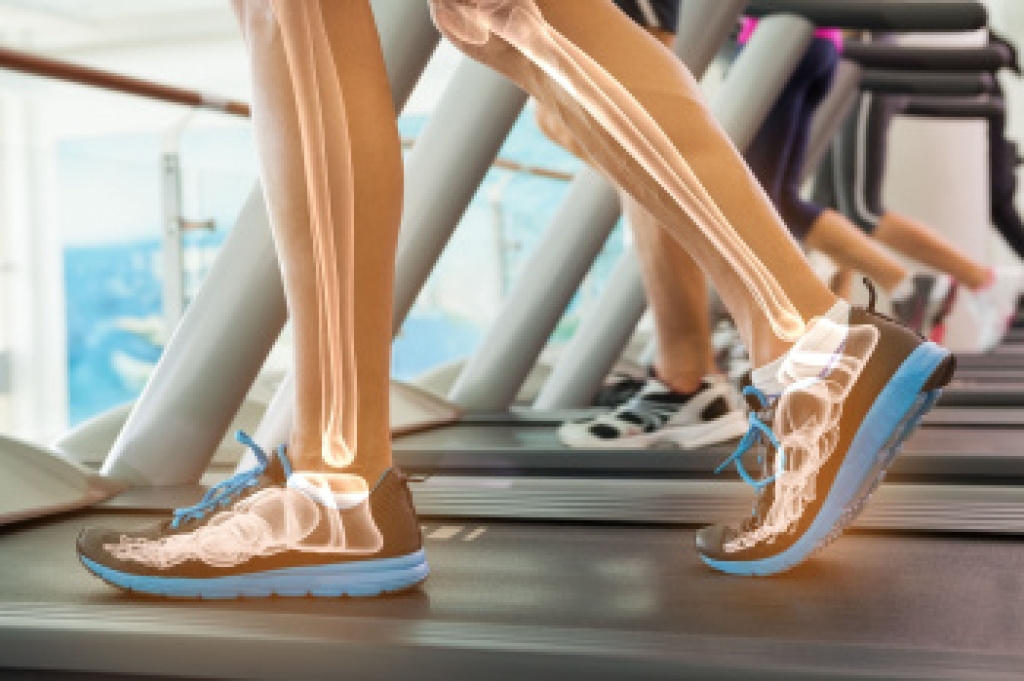
Comparing Treadmill and Outdoor Running

Running outdoors and on a treadmill each place different demands on the feet, toes, and ankles. Treadmill running offers a flat, cushioned surface that may reduce impact and be easier on the joints, but it can also limit the engagement of stabilizing muscles in the ankles and feet. Because the treadmill belt assists forward movement, runners may experience shorter strides and reduced ankle flexing movement. In contrast, outdoor running requires the body to adapt to uneven terrain, which strengthens the smaller muscles in the feet and ankles, but may also increase the risk of sprains, stress fractures, and tendon strain. Foot positioning, stride length, and ankle alignment can vary significantly depending on the running surface, and these differences can affect the arches, toes, and heel strike. Plus, improper footwear or technique in either setting can lead to pain or injury over time. A podiatrist can evaluate foot mechanics, identify imbalances, and recommend running strategies or footwear to help prevent injuries for either running surface. If you have foot problems related to running, it is suggested that you schedule an appointment with a podiatrist for an exam and appropriate treatment.

Exercising your feet regularly with the proper foot wear is a great way to prevent injuries. If you have any concerns about your feet, contact Cory Brown, DPM of Cory Brown, DPM. Our doctor will treat your foot and ankle needs.

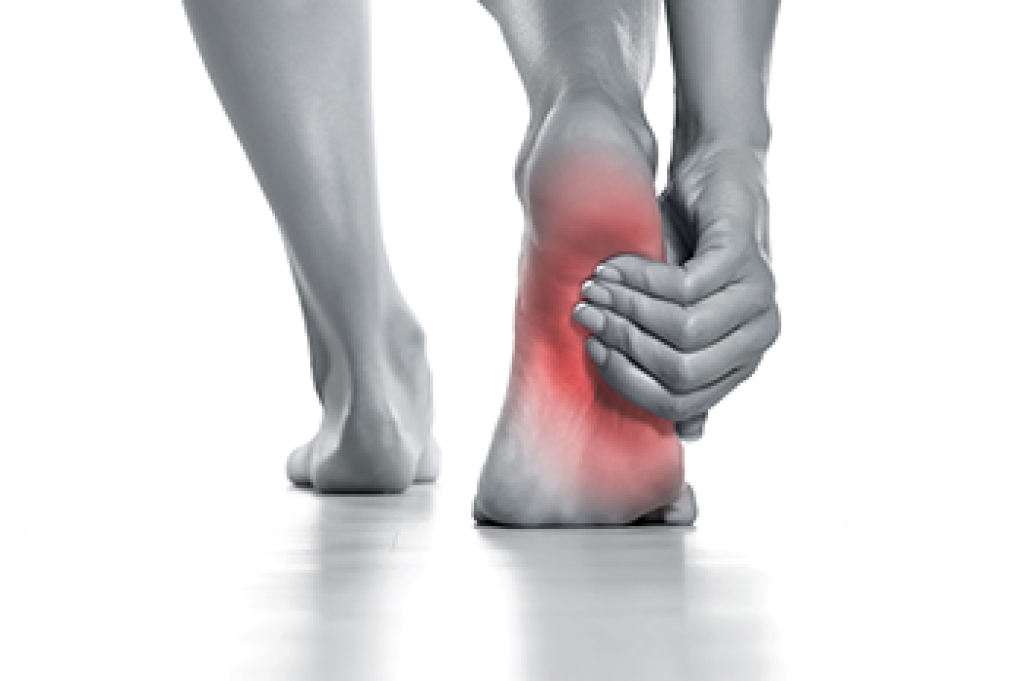
How to Prevent Running Injuries

Many common running injuries are caused by overuse and overtraining. When the back of the kneecap starts wearing out and starts causing pain in your knee, this is commonly referred to as runner’s knee. Runner’s knee is a decrease in strength in your quadriceps and can occur if you’re not wearing properly fitted or supporting shoes. To prevent runner’s knee, focusing on hip strengthening is a good idea, as well as strengthening your quads to keep the kneecaps aligned.

What Are Some Causes of Running Injuries? 
- One cause of a common running injury is called iliotibial band syndrome.
- Plantar fasciitis is also another common injury.
- Stress fractures can occur from overtraining, lack of calcium, or even your running style.

Best Ways to Prevent Running Injuries
- Wear footwear that fits properly and suits your running needs.
- Running shoes are the only protective gear that runners have to safeguard them from injury.
- Make a training schedule. Adding strengthening exercises as well as regular stretching can help keep you strong and limber and can lessen the possibility of injuries.
- Stretching keeps muscles limber; this will help you gain better flexibility.

If you have any questions, please feel free to contact our office located in Lewiston, ID . We offer the newest diagnostic and treatment technologies for all your foot care needs.
Read more about How to Prevent Running Injuries

Causes and Symptoms of Broken Blood Vessels in Feet

Broken blood vessels in the foot, also known as petechiae or bruising, occur when small blood vessels beneath the skin rupture. This can happen due to trauma or injury, such as stubbing the foot or wearing tight footwear. Other causes include excessive pressure on the foot, certain medical conditions that affect blood clotting, or even prolonged standing. Symptoms of broken blood vessels include visible red, purple, or blue spots on the skin, which may expand or change color over time as the blood is reabsorbed. In some cases, swelling, pain, or tenderness may accompany the bruising. If you have any of the above symptoms, it is suggested that you consult a podiatrist who can determine what the cause is and offer appropriate treatment.

Foot Pain

Foot pain can be extremely painful and debilitating. If you have a foot pain, consult with Cory Brown, DPM from Cory Brown, DPM. Our doctor will assess your condition and provide you with quality foot and ankle treatment.

Causes

Foot pain is a very broad condition that could be caused by one or more ailments. The most common include:

  • Bunions
  • Hammertoes
  • Plantar Fasciitis
  • Bone Spurs
  • Corns
  • Tarsal Tunnel Syndrome
  • Ingrown Toenails
  • Arthritis (such as Gout, Rheumatoid, and Osteoarthritis)
  • Flat Feet
  • Injury (from stress fractures, broken toe, foot, ankle, Achilles tendon ruptures, and sprains)
  • And more

Diagnosis

To figure out the cause of foot pain, podiatrists utilize several different methods. This can range from simple visual inspections and sensation tests to X-rays and MRI scans. Prior medical history, family medical history, and any recent physical traumatic events will all be taken into consideration for a proper diagnosis.

Treatment

Treatment depends upon the cause of the foot pain. Whether it is resting, staying off the foot, or having surgery; podiatrists have a number of treatment options available for foot pain.

If you have any questions, please feel free to contact our office located in Lewiston, ID . We offer the newest diagnostic and treatment technologies for all your foot care needs.

Read more about Foot Pain

Heel Fat Pad Syndrome and Its Impact on Foot Health

Heel fat pad syndrome is a condition where the protective fat cushion beneath the heel becomes thin or damaged, leading to pain and discomfort. This fat pad acts as a shock absorber, protecting the heel bone from impact during walking, running, and standing. Over time, factors such as aging, repetitive stress, prolonged standing, or high-impact activities can cause the fat pad to wear down. Wearing unsupportive shoes or walking on hard surfaces can increase pressure on the heel, worsening the condition. Individuals with flat feet or high arches may also experience greater stress on the fat pad. Taking steps to protect the heel can reduce pain and prevent further deterioration of the fat pad. If you have this condition, it is suggested that you consult a podiatrist who can guide you toward effective management methods.

Many people suffer from bouts of heel pain. For more information, contact Cory Brown, DPM of Cory Brown, DPM. Our doctor can provide the care you need to keep you pain-free and on your feet.

Causes of Heel Pain

Heel pain is often associated with plantar fasciitis. The plantar fascia is a band of tissues that extends along the bottom of the foot. A rip or tear in this ligament can cause inflammation of the tissue.

Achilles tendonitis is another cause of heel pain. Inflammation of the Achilles tendon will cause pain from fractures and muscle tearing. Lack of flexibility is also another symptom.

Heel spurs are another cause of pain. When the tissues of the plantar fascia undergo a great deal of stress, it can lead to ligament separation from the heel bone, causing heel spurs.

Why Might Heel Pain Occur?

  • Wearing ill-fitting shoes                
  • Wearing non-supportive shoes
  • Weight change           
  • Excessive running

Treatments

Heel pain should be treated as soon as possible for immediate results. Keeping your feet in a stress-free environment will help. If you suffer from Achilles tendonitis or plantar fasciitis, applying ice will reduce the swelling. Stretching before an exercise like running will help the muscles. Using all these tips will help make heel pain a condition of the past.

If you have any questions, please feel free to contact our office located in Lewiston, ID . We offer the newest diagnostic and treatment technologies for all your foot care needs.

Read more about Heel Pain

Heel Pain in the Morning?

Heel pain can negatively affect your day-to-day life. Simple activities like walking can become incredibly uncomfortable or painful due to heel pain.

Don’t live with heel pain and get treated.

Connect With Us