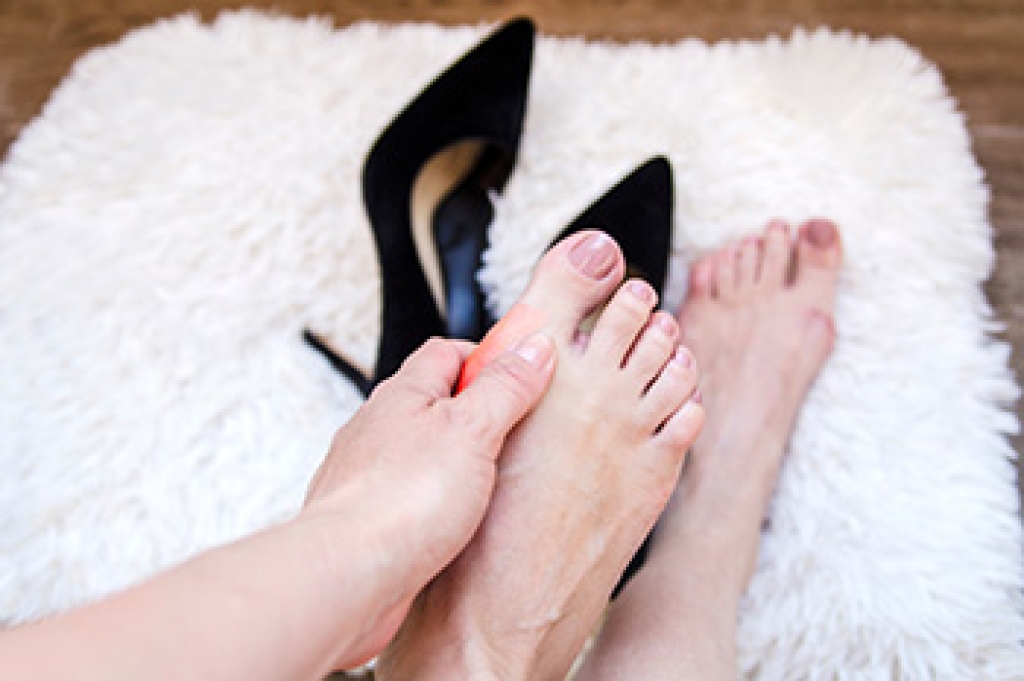
Why High Heels Are Bad for Your Feet

High heels may look great, but they can cause significant foot problems and impact overall body health. The pressure and angle of high heels can lead to a range of issues, such as bunions, hammertoes, and neuromas, often requiring surgery to correct. Wearing high heels also affects your posture, which can lead to back, leg, and foot pain as the body tries to compensate for the imbalance they create. The altered gait from wearing heels can overwork the hip flexors and knee muscles, increasing the risk of joint and muscle pain. Balance is also compromised, increasing the likelihood of falls and sprained ankles. High heels force the lumbar spine to flatten and the thoracic spine to curve excessively, possibly causing chronic back pain. The continuous flexing of hip muscles can lead to their contraction and shortening, contributing to hip and lower back pain. Consulting a podiatrist can provide valuable insights and treatments tailored to individual needs. If you have foot pain related to wearing high heels, it is suggested that you schedule an appointment with a podiatrist for a diagnosis and treatment.

High heels have a history of causing foot and ankle problems. If you have any concerns about your feet or ankles, contact Cory Brown, DPM from Cory Brown, DPM. Our doctor can provide the care you need to keep you pain-free and on your feet.

Effects of High Heels on the Feet

High heels are popular shoes among women because of their many styles and societal appeal.  Despite this, high heels can still cause many health problems if worn too frequently.

Which Parts of My Body Will Be Affected by High Heels?

  • Ankle Joints
  • Achilles Tendon – May shorten and stiffen with prolonged wear
  • Balls of the Feet
  • Knees – Heels cause the knees to bend constantly, creating stress on them
  • Back – They decrease the spine’s ability to absorb shock, which may lead to back pain.  The vertebrae of the lower back may compress.

What Kinds of Foot Problems Can Develop from Wearing High Heels?

  • Corns
  • Calluses
  • Hammertoe
  • Bunions
  • Morton’s Neuroma
  • Plantar Fasciitis

How Can I Still Wear High Heels and Maintain Foot Health?

If you want to wear high heeled shoes, make sure that you are not wearing them every day, as this will help prevent long term physical problems.  Try wearing thicker heels as opposed to stilettos to distribute weight more evenly across the feet.  Always make sure you are wearing the proper shoes for the right occasion, such as sneakers for exercising.  If you walk to work, try carrying your heels with you and changing into them once you arrive at work.  Adding inserts to your heels can help cushion your feet and absorb shock. Full foot inserts or metatarsal pads are available. 

If you have any questions, please feel free to contact our office located in Lewiston, ID . We offer the newest diagnostic and treatment technologies for all your foot care needs.

Read more about Effect of High Heels on the Feet

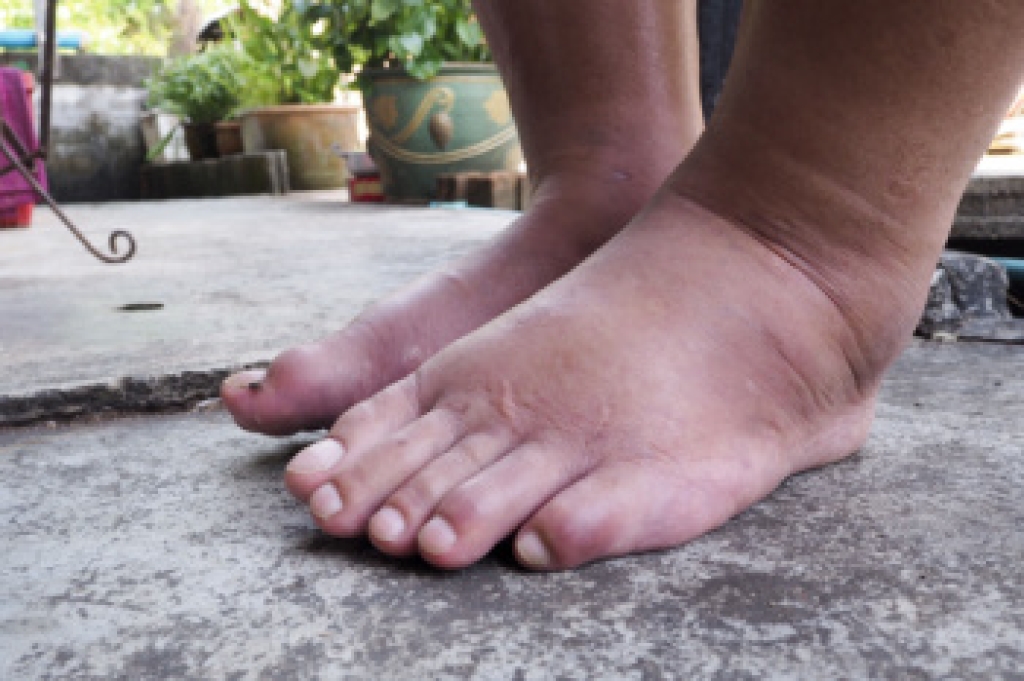
Key Facts About Lipedema and Cankles

Lipedema is a chronic condition characterized by abnormal fat accumulation, typically in the legs and buttocks, which leads to swelling and a disproportionate appearance. This condition often results in a distinctive cankle appearance, where the ankles and calves blend together without a clear definition. Lipedema primarily affects women and can cause discomfort, pain, and increased sensitivity in the affected areas. The exact cause of lipedema is not fully understood but may involve hormonal changes or genetic factors. Managing lipedema often includes lifestyle modifications, such as a balanced diet and regular exercise, and may involve specific medical treatments for relief. If you notice symptoms of lipedema or cankles, it is suggested that you consult a podiatrist who can obtain a proper diagnosis and explore effective treatment options.

Swollen feet can be a sign of an underlying condition. If you have any concerns, contact Cory Brown, DPM of Cory Brown, DPM. Our doctor can provide the care you need to keep you pain-free and on your feet.

Swollen feet are a common ailment among pregnant women and people who stand or sit for extended periods. Aging may increase the possibility of swollen feet and patients who are obese often notice when their feet are swelling too. There may be medical reasons why swollen feet occur:

  • Phlebitis - A condition that causes the veins to become inflamed and can also cause leg pain.
  • Liver disease - This may lead to low blood levels of albumin which is a protein. This can cause fluid in the blood to pass into the tissues and several areas of the body can become swollen.
  • Heart failure - When the heart doesn’t pump properly the blood that is normally pumped back to the heart can pool in the veins of the legs causing swollen feet.
  • Kidney disease - One of the main functions of the kidneys is releasing excess fluid in the body. This type of condition can make it difficult for the kidneys to function properly, and as a result the feet may become swollen.
  • Deep-vein thrombosis (DVT)- This is a serious condition where blood clots form in the veins of the legs. They can block the return of blood from the legs to the heart which may cause the feet to swell. It is important to be treated by a podiatrist if this condition is present.

Swollen feet can also be caused by bone and tendon conditions, including fractures, arthritis, and tendinitis. Additionally, there may be skin and toenail conditions and an infection may cause the feet to swell. Patients who take medicine to treat high blood pressure may be prone to getting swollen feet. 

Many patients elevate their feet to help relieve the swelling and this is generally a temporary remedy. When a podiatrist is consulted the reason behind the swelling can be uncovered and subsequently treated.

If you have any questions please contact our office located in Lewiston, ID . We offer the newest diagnostic and treatment technologies for all your foot and ankle needs.

Read more about Swelling of the Feet

Turf Toe Injuries Common in Athletes

Turf toe, or a metatarsophalangeal, MTP, joint sprain, is a common injury affecting athletes, particularly those playing on artificial turf. This injury occurs when the big toe is hyperextended as the heel lifts off the ground, causing the soft tissues and ligaments in the MTP joint to stretch or tear. Athletes who make sudden movements or push off their toes into sprints are especially vulnerable. Turf toe can vary in severity, from mild where tissues are stretched, to severe where tissues are completely torn and the joint may be dislocated. Symptoms can include pain, swelling, bruising, limited range of motion, and sometimes a loose or unstable joint. A podiatrist can diagnose and treat turf toe effectively through imaging tests, like X-rays or MRI scans, and create a treatment plan. This includes medication, custom orthotics, or in rare cases, surgery. Timely consultation with a podiatrist ensures proper healing and helps athletes return to their sport. If you are experiencing pain in the big toe joint, it is suggested that you schedule an appointment with a podiatrist for an exam, diagnosis, and treatment options.

Toe pain can disrupt your daily activities. If you have any concerns, contact Cory Brown, DPM of Cory Brown, DPM. Our doctor can provide the care you need to keep you pain-free and on your feet.

What Causes Toe Pain?

Most severe toe pain is caused due to a sports injury, trauma from dropping something heavy on the toe, or bumping into something rigid. Other problems can develop over time for various reasons.

Toe pain can be caused by one or more ailments. The most common include:

  • Trauma
  • Sports injury
  • Wearing shoes that are too tight
  • Arthritis
  • Gout
  • Corns and calluses
  • Hammertoe
  • Bunions
  • Blisters
  • Ingrown toenails
  • Sprains
  • Fractures (broken bones)
  • Dislocations

When to See a Podiatrist

  • Severe pain
  • Persistent pain that lasts more than a week
  • Signs of infection
  • Continued swelling
  • Pain that prevents walking

Diagnosis

In many cases the cause of toe pain is obvious, but in others, a podiatrist may want to use more advanced methods to determine the problem. These can range from simple visual inspections and sensation tests to X-rays and MRI scans. Prior medical history, family medical history, and any recent physical traumatic events will all be taken into consideration for a proper diagnosis.

Treatment

Treatments for toe pain and injuries vary and may include shoe inserts, padding, taping, medicines, injections, and in some cases, surgery. If you believe that you have broken a toe, please see a podiatrist as soon as possible.

If you have any questions please contact our office located in Lewiston, ID . We offer the newest diagnostic and treatment technologies for all your foot and ankle needs.

Read more about Toe Pain

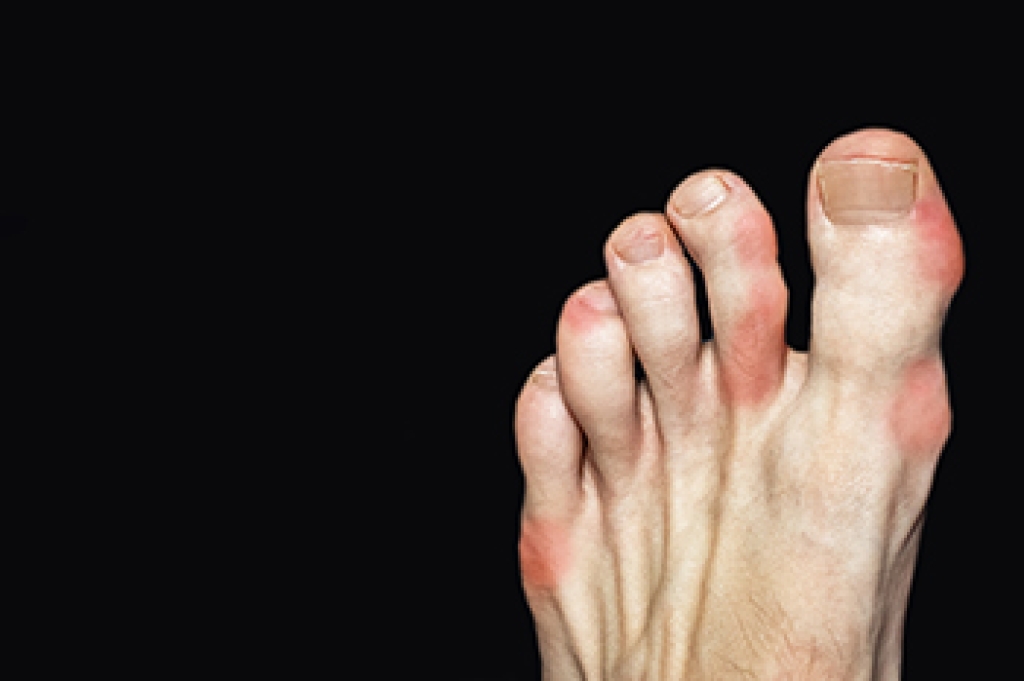
Signs and Causes of Gout

Gout, a type of arthritis, causes sudden, intense joint pain, often affecting the big toe initially. The affected joint becomes swollen, red, and tender to the touch during gout attacks. This condition arises from an accumulation of uric acid crystals in the joints, stemming from an overproduction or inefficient excretion of uric acid in the body. Dietary factors such as high-purine foods like red meat, seafood, and alcohol consumption can worsen gout attacks. Diagnosis typically involves a thorough medical history review, physical examination, and possibly joint fluid analysis to detect uric acid crystals. Blood tests measuring uric acid levels also aid in diagnosis. If you have had one or several gout attacks, it is suggested that you are under the care of a podiatrist who can offer you relief options and help you to manage this condition.

Gout is a painful condition that can be treated. If you are seeking treatment, contact Cory Brown, DPM from Cory Brown, DPM. Our doctor will treat your foot and ankle needs.

What Is Gout?

Gout is a form of arthritis that is characterized by sudden, severe attacks of pain, redness, and tenderness in the joints. The condition usually affects the joint at the base of the big toe. A gout attack can occur at any random time, such as the middle of the night while you are asleep.

Symptoms

  • Intense Joint Pain - Usually around the large joint of your big toe, and it most severe within the first four to twelve hours
  • Lingering Discomfort - Joint discomfort may last from a few days to a few weeks
  • Inflammation and Redness -Affected joints may become swollen, tender, warm and red
  • Limited Range of Motion - May experience a decrease in joint mobility

Risk Factors

  • Genetics - If family members have gout, you’re more likely to have it
  • Medications - Diuretic medications can raise uric acid levels
  • Gender/Age - Gout is more common in men until the age of 60. It is believed that estrogen protects women until that point
  • Diet - Eating red meat and shellfish increases your risk
  • Alcohol - Having more than two alcoholic drinks per day increases your risk
  • Obesity - Obese people are at a higher risk for gout

Prior to visiting your podiatrist to receive treatment for gout, there are a few things you should do beforehand. If you have gout you should write down your symptoms--including when they started and how often you experience them, important medical information you may have, and any questions you may have. Writing down these three things will help your podiatrist in assessing your specific situation so that he or she may provide the best route of treatment for you.

If you have any questions, please feel free to contact our office located in Lewiston, ID . We offer the newest diagnostic and treatment technologies for all your foot care needs.
Read more about Gout

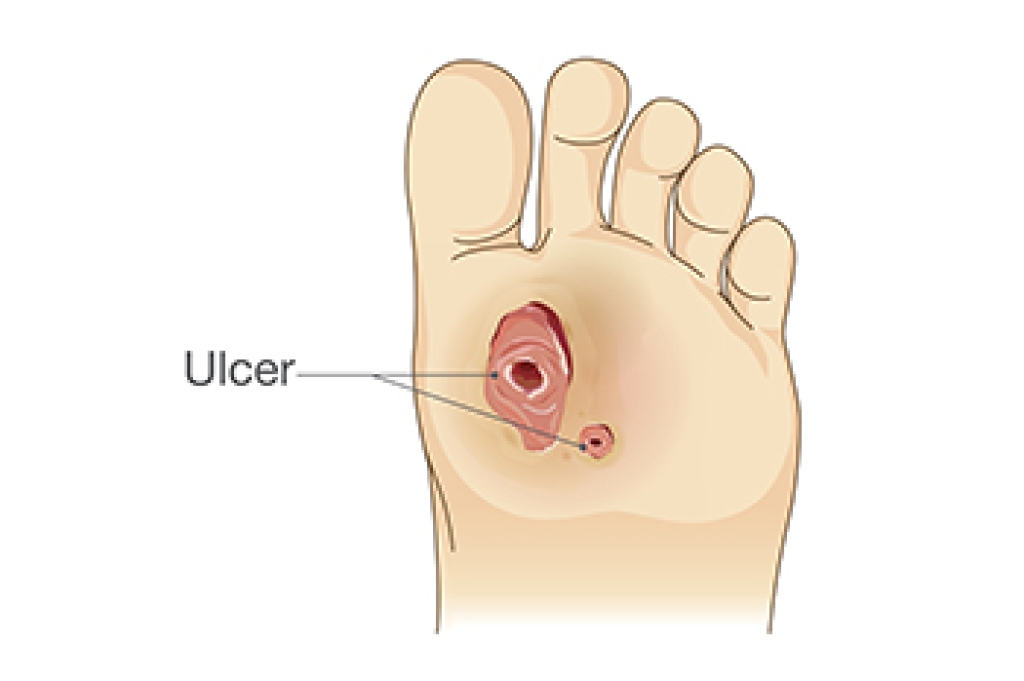
Managing Diabetic Foot Ulcers

Diabetic foot wounds are a significant concern for individuals managing diabetes, with up to a third of patients developing foot problems during their lifetime. Early signs include dry skin and calluses, which can progress to poorly healing ulcers on the feet or toes. These complications arise from nerve and blood vessel damage that results from high blood sugar levels over a long period. Factors like wearing tight shoes, foot deformities, and thick calluses can increase the risk. This damage reduces the foot's sensitivity to pressure and injuries, leading to unnoticed and untreated wounds that are slow to heal. Preventive measures, such as proper foot care, wearing well-fitting shoes, and avoiding injuries, are essential in reducing the risk of diabetic ulcers. Regular visits to a podiatrist play an essential role in the early detection and management of diabetic foot problems. Podiatrists can provide comprehensive care, including examining the skin, assessing blood flow, and testing nerve sensitivity, which may prevent minor issues from developing into severe complications. If you are suffering from diabetic foot complications, it is suggested that you schedule an appointment with a podiatrist for an exam, diagnosis, and treatment options.

Diabetic foot care is important in preventing foot ailments such as ulcers. If you are suffering from diabetes or have any other concerns about your feet, contact Cory Brown, DPM from Cory Brown, DPM. Our doctor can provide the care you need to keep you pain-free and on your feet.

Diabetic Foot Care

Diabetes affects millions of people every year. The condition can damage blood vessels in many parts of the body, especially the feet. Because of this, taking care of your feet is essential if you have diabetes, and having a podiatrist help monitor your foot health is highly recommended.

The Importance of Caring for Your Feet

  • Routinely inspect your feet for bruises or sores.
  • Wear socks that fit your feet comfortably.
  • Wear comfortable shoes that provide adequate support.

Patients with diabetes should have their doctor monitor their blood levels, as blood sugar levels play such a huge role in diabetic care. Monitoring these levels on a regular basis is highly advised.

It is always best to inform your healthcare professional of any concerns you may have regarding your feet, especially for diabetic patients. Early treatment and routine foot examinations are keys to maintaining proper health, especially because severe complications can arise if proper treatment is not applied.

If you have any questions, please feel free to contact our office located in Lewiston, ID . We offer the newest diagnostic and treatment technologies for all your foot care needs.
Read more about How to Care for Diabetic Foot

Connect With Us