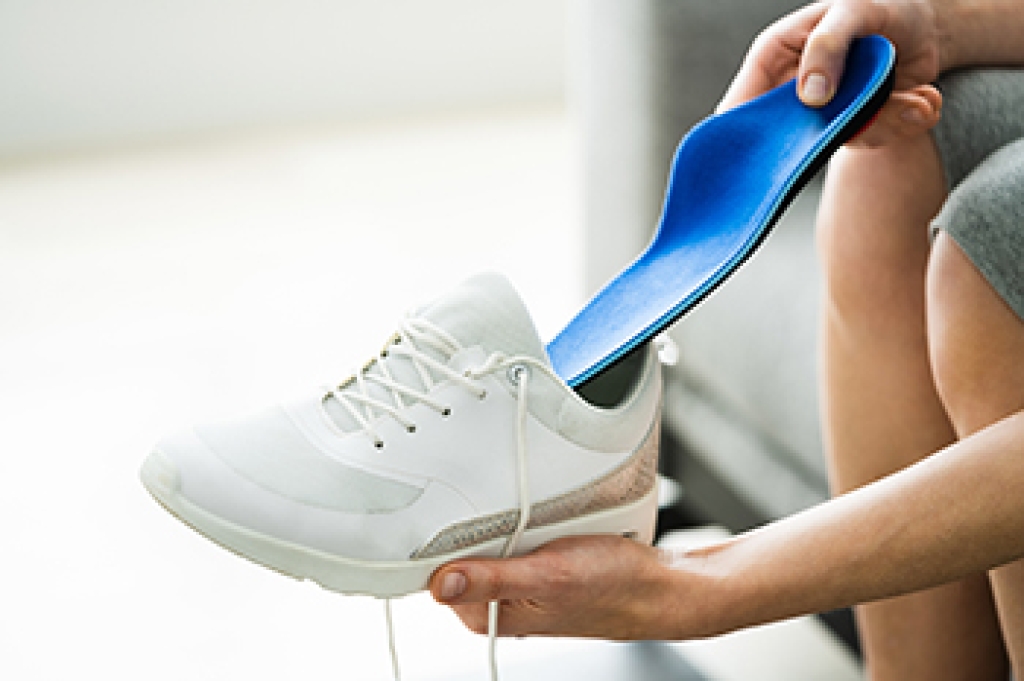
Which Type of Orthotic Do I Need?

Medical devices that are placed inside the shoes for walking and running are referred to as orthotics. They are used to relieve pain from abnormal foot structures, or from having general discomfort while walking. There are several types of orthotics, and choosing the right ones depends on the condition they will be correcting. Patients who have corns and calluses may benefit from wearing epidermal insoles, which can be successful in removing pressure from the affected parts of the foot. People who desire to have a balanced distribution of weight on the feet may opt to wear comfort insoles that can absorb shock. Orthopedic insoles that are made of one piece may help patients that have flat feet, or additional specific types of deformities. If you have foot pain, and are interested in learning more about orthotics, it is suggested that you speak with a podiatrist who can determine which type is correct for you.

If you are having discomfort in your feet and would like to try orthotics, contact Cory Brown, DPM from Cory Brown, DPM. Our doctor can provide the care you need to keep you pain-free and on your feet.

What Are Orthotics?

Orthotics are inserts you can place into your shoes to help with a variety of foot problems such as flat feet or foot pain. Orthotics provide relief and comfort for minor foot and heel pain but can’t correct serious biomechanical problems in your feet.

Over-the-Counter Inserts

Orthotics come in a wide variety of over-the-counter inserts that are used to treat foot pain, heel pain, and minor problems. For example, arch supports can be inserted into your shoes to help correct overarched or flat feet, while gel insoles are often used because they provide comfort and relief from foot and heel pain by alleviating pressure.

Prescription Orthotics

If over-the-counter inserts don’t work for you or if you have a more severe foot concern, it is possible to have your podiatrist prescribe custom orthotics. These high-quality inserts are designed to treat problems such as abnormal motion, plantar fasciitis, and severe forms of heel pain. They can even be used to help patients suffering from diabetes by treating foot ulcers and painful calluses and are usually molded to your feet individually, which allows them to provide full support and comfort.

If you are experiencing minor to severe foot or heel pain, it’s recommended to speak with your podiatrist about the possibilities of using orthotics. A podiatrist can determine which type of orthotic is right for you and allow you to take the first steps towards being pain-free.

If you have any questions, please feel free to contact our office located in Lewiston, ID . We offer the newest diagnostic and treatment technologies for all your foot care needs.
Read more about Foot Orthotics

Hammertoe and Other Conditions

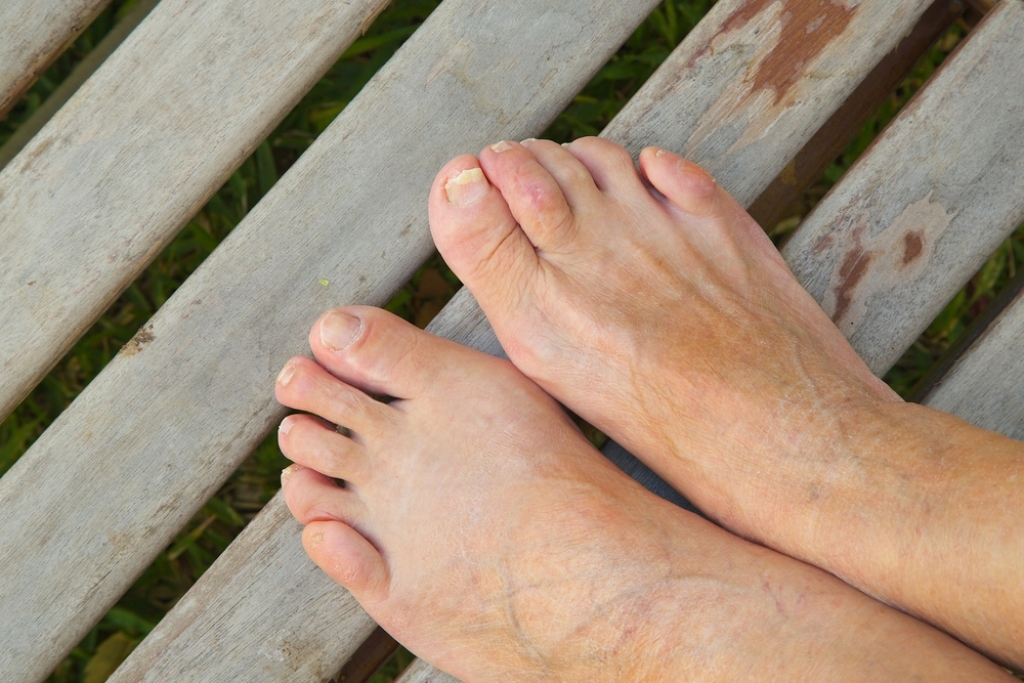
Hammertoe is a particular kind of foot affliction that can occur when the middle of the toe points upward at the joint. Often, this foot condition can be accompanied by other foot conditions. For example, as the middle of the affected toe points upwards, the toe can rub against footwear, making corns more likely to develop. Also, a hammertoe can be associated with bunions, which are bony bumps on the sides of the big toe. If you are someone that is currently struggling with a hammertoe, it is suggested that you schedule an appointment today with a podiatrist who can assess your situation, and offer correct treatment options. 

Hammertoe

Hammertoes can be a painful condition to live with. For more information, contact Cory Brown, DPM from Cory Brown, DPM. Our doctor will answer any of your foot- and ankle-related questions.

Hammertoe is a foot deformity that affects the joints of the second, third, fourth, or fifth toes of your feet. It is a painful foot condition in which these toes curl and arch up, which can often lead to pain when wearing footwear.

Symptoms

  • Pain in the affected toes
  • Development of corns or calluses due to friction
  • Inflammation
  • Redness
  • Contracture of the toes

Causes

Genetics – People who are genetically predisposed to hammertoe are often more susceptible

Arthritis – Because arthritis affects the joints in your toes, further deformities stemming from arthritis can occur

Trauma – Direct trauma to the toes could potentially lead to hammertoe

Ill-fitting shoes – Undue pressure on the front of the toes from ill-fitting shoes can potentially lead to the development of hammertoe

Treatment

Orthotics – Custom made inserts can be used to help relieve pressure placed on the toes and therefore relieve some of the pain associated with it

Medications – Oral medications such as anti-inflammatories or NSAIDs could be used to treat the pain and inflammation hammertoes causes. Injections of corticosteroids are also sometimes used

Surgery – In more severe cases where the hammertoes have become more rigid, foot surgery is a potential option

If you have any questions, please feel free to contact our office located in Lewiston, ID . We offer the newest diagnostic and treatment technologies for all your foot care needs.
Read more about What Are Hammertoes?

Poor Circulation of the Feet

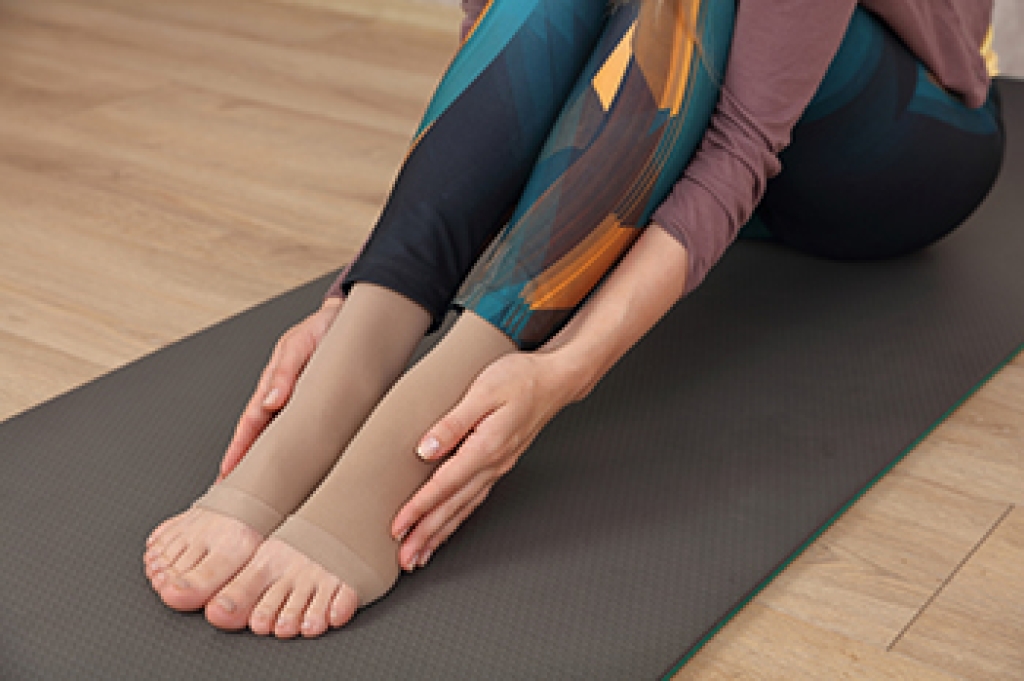
Poor blood circulation can cause the feet to feel cold, numb, or tingly. It can also cause dry skin on the feet and brittle toenails. This happens because there is an interference with blood delivery of vital oxygen and nutrients to the feet. Poor circulation can make wounds heal slower and increase the risk of infection. Lifestyle changes may help some patients, and others may have to take medicine to widen blood vessels. Though vitamins and supplements cannot cure circulation problems, they may provide relief from symptoms. If you have signs of poor circulation in your feet, it is strongly suggested that you visit a podiatrist as quickly as possible who can determine what the cause is, and offer advice on treatment. 

Poor circulation is a serious condition and needs immediate medical attention. If you have any concerns with poor circulation in your feet contact Cory Brown, DPM of Cory Brown, DPM. Our doctor will treat your foot and ankle needs.

Poor Circulation in the Feet

Poor blood circulation in the feet and legs is can be caused by peripheral artery disease (PAD), which is the result of a buildup of plaque in the arteries.

Plaque buildup or atherosclerosis results from excess calcium and cholesterol in the bloodstream. This can restrict the amount of blood which can flow through the arteries. Poor blood circulation in the feet and legs are sometimes caused by inflammation in the blood vessels, known as vasculitis.

Causes

Lack of oxygen and oxygen from poor blood circulation restricts muscle growth and development. It can also cause:

  • Muscle pain, stiffness, or weakness 
  • Numbness or cramping in the legs
  • Skin discoloration
  • Slower nail & hair growth
  • Erectile dysfunction

Those who have diabetes or smoke are at greatest risk for poor circulation, as are those who are over 50. If you have poor circulation in the feet and legs it may be caused by PAD and is important to make changes to your lifestyle in order to reduce risk of getting a heart attack or stroke. Exercise and maintaining a healthy lifestyle will dramatically improve conditions.

As always, see a podiatrist as he or she will assist in finding a regimen that suits you. A podiatrist can also prescribe you any needed medication. 

If you have any questions, please feel free to contact our office located in Lewiston, ID . We offer the newest diagnostic and treatment technologies for all your foot care needs.
Read more about Causes, Symptoms, and Treatment of Poor Blood Circulation in the Feet

Exercise Can Help to Prevent Falling

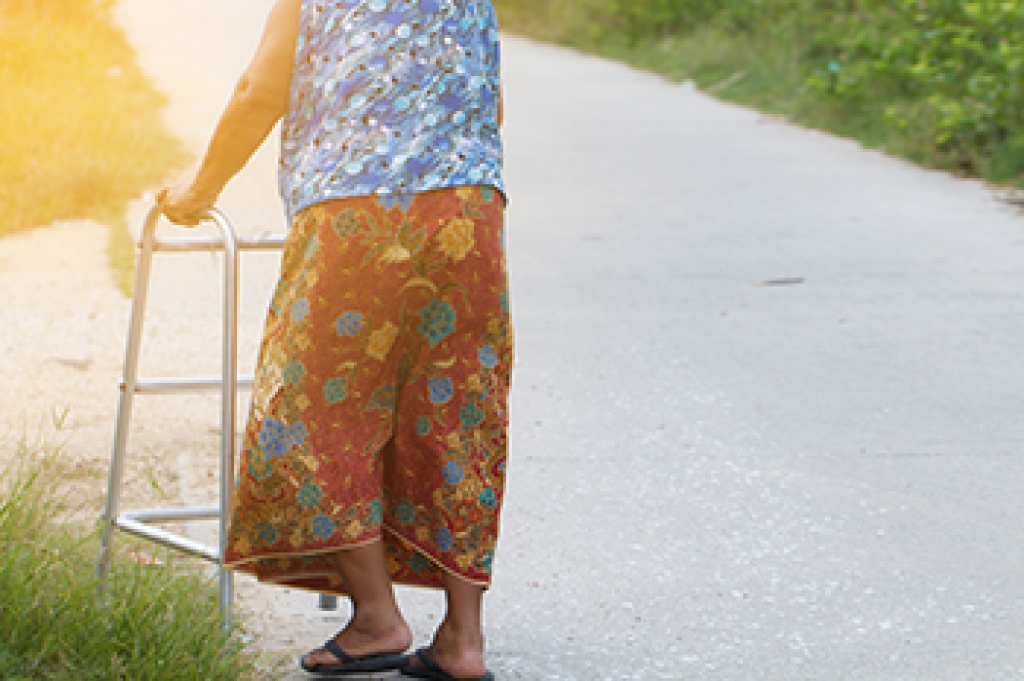
Falling can cause serious injuries. The feet are often affected, and this can compromise the ability to complete daily activities. Having the eyes checked regularly can help to update existing eyeglasses, in addition to having routine physical examinations for medication checks. The living environment can be made safer by implementing simple fall prevention techniques, such as improving lighting in the household and removing worn rugs. Some people find it beneficial to install grab bars in the shower and toilet area, in addition to using non-skid bath mats. It is wise to wear shoes that fit correctly, and keeping items in a lower cabinet may make them easier to reach. Engaging in a gentle exercise program can be helpful in keeping the body strong while improving balance. Tai Chi and yoga are good examples of this. If you would like more information about effective fall prevention methods, it is suggested that you contact a podiatrist who can provide you with the information you are seeking. 

Preventing falls among the elderly is very important. If you are older and have fallen or fear that you are prone to falling, consult with Cory Brown, DPM from Cory Brown, DPM. Our doctor will assess your condition and provide you with quality advice and care.

Every 11 seconds, an elderly American is being treated in an emergency room for a fall related injury. Falls are the leading cause of head and hip injuries for those 65 and older. Due to decreases in strength, balance, senses, and lack of awareness, elderly persons are very susceptible to falling. Thankfully, there are a number of things older persons can do to prevent falls.

How to Prevent Falls

Some effective methods that older persons can do to prevent falls include:

  • Enrolling in strength and balance exercise program to increase balance and strength
  • Periodically having your sight and hearing checked
  • Discuss any medications you have with a doctor to see if it increases the risk of falling
  • Clearing the house of falling hazards and installing devices like grab bars and railings
  • Utilizing a walker or cane
  • Wearing shoes that provide good support and cushioning
  • Talking to family members about falling and increasing awareness

Falling can be a traumatic and embarrassing experience for elderly persons; this can make them less willing to leave the house, and less willing to talk to someone about their fears of falling. Doing such things, however, will increase the likelihood of tripping or losing one’s balance. Knowing the causes of falling and how to prevent them is the best way to mitigate the risk of serious injury.  

If you have any questions, please feel free to contact our office located in Lewiston, ID . We offer the newest diagnostic and treatment technologies for all your foot care needs.

Read more about Falls Prevention

Connect With Us