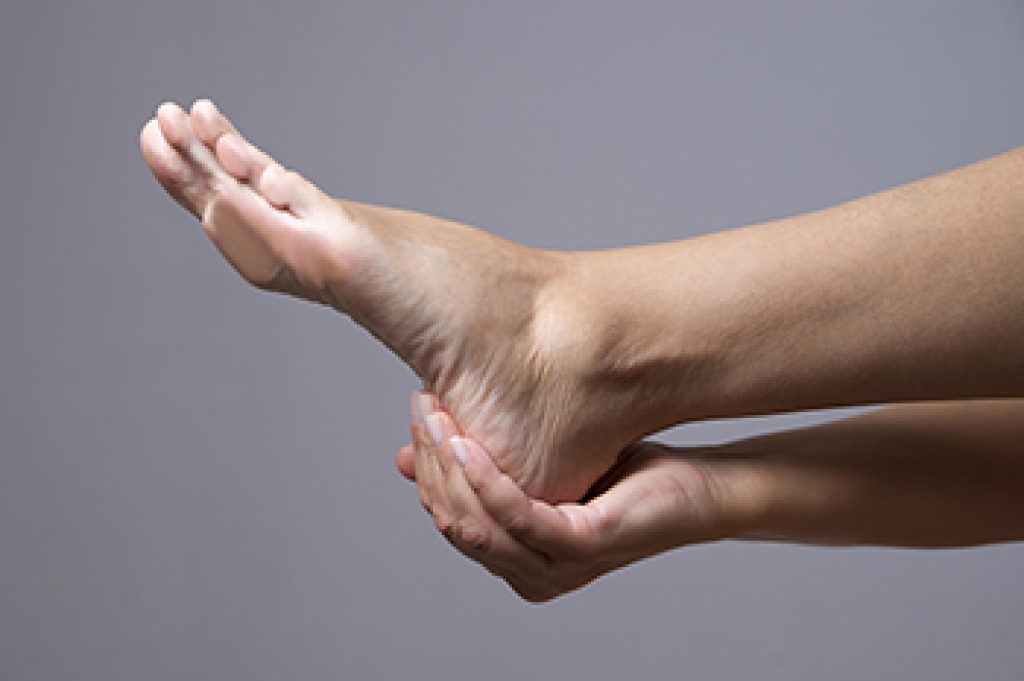
Causes of High Foot Arches

High foot arches, also known as cavus foot, often result from inherited structural differences and may not be linked to other health issues. However, high foot arches can also develop due to neurological conditions, including Charcot-Marie-Tooth disease, cerebral palsy, or spina bifida. These conditions cause muscle imbalances that affect the foot's structure, leading to the high arch deformity. High arches can cause significant discomfort and affect your balance, leading to frequent ankle sprains or other injuries. A podiatrist can evaluate your foot's structure, identify any underlying conditions, and recommend appropriate treatment options. These may include custom orthotics to provide arch support, exercises to strengthen the foot and ankle muscles, or in some cases, surgery to correct severe deformities. If you have pain in the arches of your feet, it is suggested that you schedule an appointment with a podiatrist.

Some foot conditions may require additional professional care. If you have any concerns, contact Cory Brown, DPM of Cory Brown, DPM. Our doctor can provide the care you need to keep you pain-free and on your feet.

Rare Foot Conditions

The majority of foot conditions are common and can be treated by a podiatrist.  Standard diagnostic procedures are generally used to identify specific conditions and treatment can be rendered. A podiatrist also treats rare foot conditions which can be difficult to diagnose and may need extra attention and care. 

There are many rare foot conditions that can affect children. Some of these can include:

  • Freiberg’s disease
  • Kohler’s disease
  • Maffucci syndrome

Freiberg’s disease - This can be seen as a deterioration and flattening of a metatarsal bone that exists in the ball of the foot. It typically affects pre-teen and teenage girls, but can affect anyone at any age. Symptoms that can accompany this can be swelling, stiffness, and the patient may limp. 

Kohler’s disease - This often targets the bone in the arch of the foot and affects younger boys. It can lead to an interruption of the blood supply which ultimately can lead to bone deterioration. The patient may limp or experience tenderness, swelling, and redness.

Maffucci syndrome - This affects the long bones in a child’s foot leading to the development of abnormal bone lesions. They are benign growths and typically develop in early childhood and the bones may be susceptible to breaking. 

A podiatrist can properly diagnose and treat all types of rare foot conditions. If your child is affected by any of these symptoms or conditions, please don’t hesitate to call our office so the correct treatment method can begin.

If you have any questions, please feel free to contact our office located in Lewiston, ID . We offer the newest diagnostic and treatment technologies for all your foot care needs.
Read more about Rare Foot Conditions

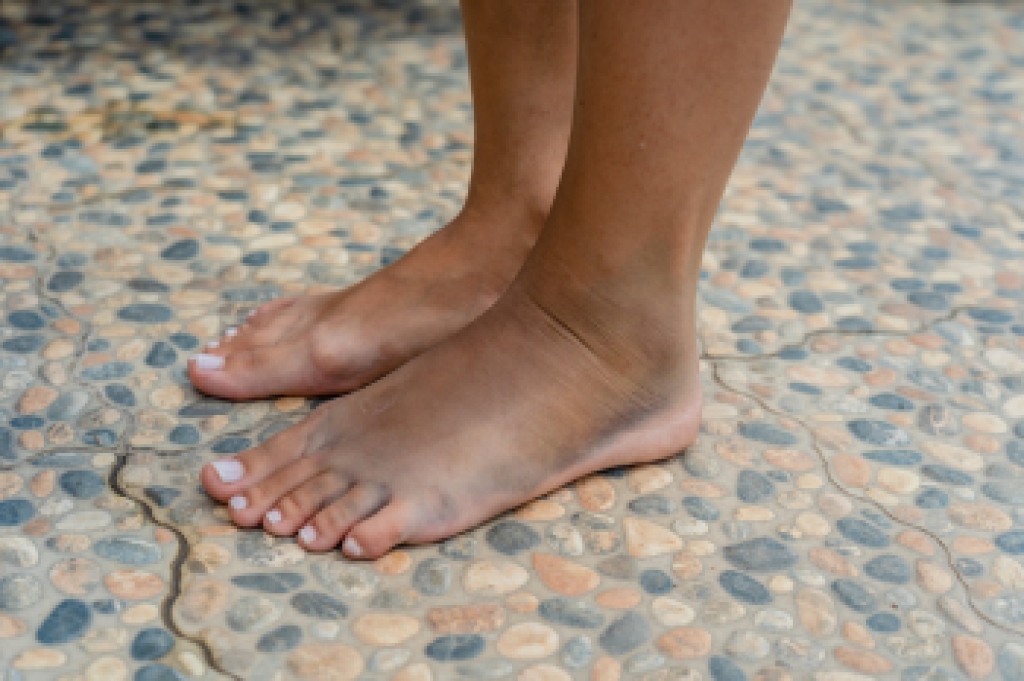
Contusions of Foot or Ankle Bones

A contusion, commonly known as a bruise, occurs when small blood vessels under the skin are damaged, often due to a direct impact or trauma. In the context of the feet or ankle bones, a contusion might result from a fall, sports injury, or even bumping the area against a hard surface. When a contusion happens, blood leaks from the damaged vessels into the surrounding tissues, causing discoloration, swelling, and tenderness. Diagnosis is usually based on physical examination, but in severe cases, imaging tests may be required. Treatment involves rest, compression, and elevation, in addition to mild pain relievers, if necessary. If you have a contusion that does not seem to be healing or that is causing pain, it is suggested that you schedule an appointment with a podiatrist for an examination and treatment.

Sports related foot and ankle injuries require proper treatment before players can go back to their regular routines. For more information, contact Cory Brown, DPM of Cory Brown, DPM. Our doctor can provide the care you need to keep you pain-free and on your feet.

Sports Related Foot and Ankle Injuries

Foot and ankle injuries are a common occurrence when it comes to athletes of any sport. While many athletes dismiss the initial aches and pains, the truth is that ignoring potential foot and ankle injuries can lead to serious problems. As athletes continue to place pressure and strain the area further, a mild injury can turn into something as serious as a rupture and may lead to a permanent disability. There are many factors that contribute to sports related foot and ankle injuries, which include failure to warm up properly, not providing support or wearing bad footwear. Common injuries and conditions athletes face, including:

  • Plantar Fasciitis
  • Achilles Tendinitis
  • Achilles Tendon Rupture
  • Ankle Sprains

Sports related injuries are commonly treated using the RICE method. This includes rest, applying ice to the injured area, compression and elevating the ankle. More serious sprains and injuries may require surgery, which could include arthroscopic and reconstructive surgery. Rehabilitation and therapy may also be required in order to get any recovering athlete to become fully functional again. Any unusual aches and pains an athlete sustains must be evaluated by a licensed, reputable medical professional.

If you have any questions please contact our office located in Lewiston, ID . We offer the newest diagnostic and treatment technologies for all your foot and ankle needs.

Read more about Sports Related Foot And Ankle Injuries

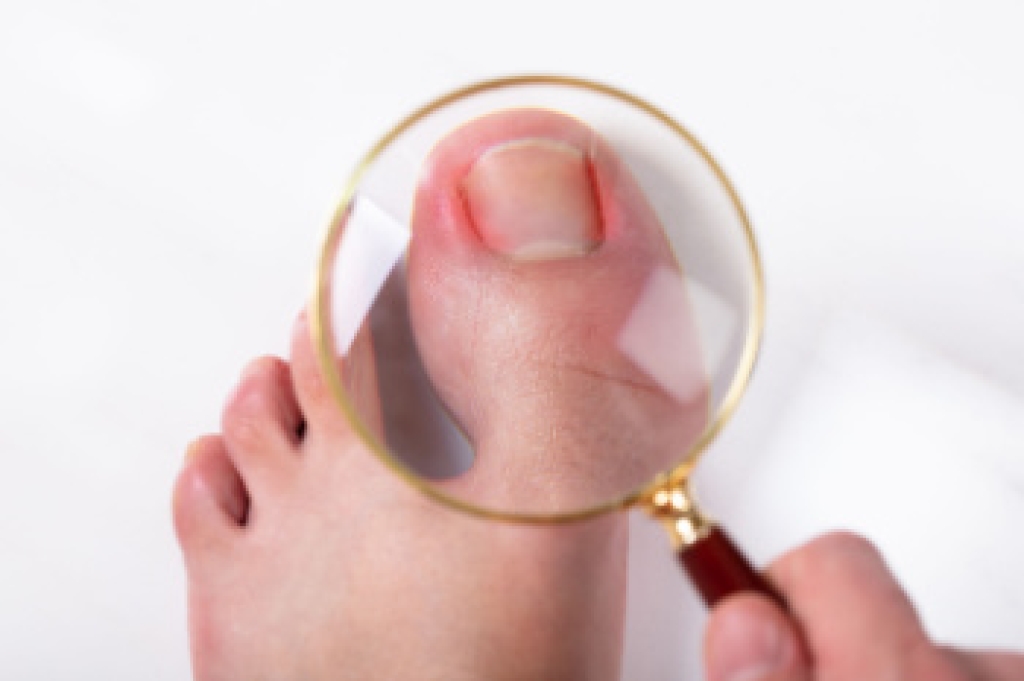
Facts About Ingrown Toenails

Ingrown toenails occur when the edges of the toenail grow into the surrounding skin, causing pain and discomfort. This condition typically affects the big toe but can occur on any toe. Symptoms of ingrown toenails include redness, swelling, and tenderness around the affected area, with the potential for infection if left untreated. The primary causes include improper nail trimming, where nails are cut too short or rounded, wearing tight or ill-fitting shoes that press on the toes, and having naturally curved toenails. Other contributing factors can include trauma to the toe or genetic predisposition. To prevent ingrown toenails, it is important to trim nails straight across and wear well-fitting shoes that provide ample space for the toes. If you have symptoms of an ingrown toenail, it is suggested that you consult a podiatrist who can offer you the treatment that is best for you, which may include minor surgery for removal.

Ingrown toenails can become painful if they are not treated properly. For more information about ingrown toenails, contact Cory Brown, DPM of Cory Brown, DPM. Our doctor can provide the care you need to keep you pain-free and on your feet.

Ingrown Toenails

Ingrown toenails occur when a toenail grows sideways into the bed of the nail, causing pain, swelling, and possibly infection.

Causes

  • Bacterial infections
  • Improper nail cutting such as cutting it too short or not straight across
  • Trauma to the toe, such as stubbing, which causes the nail to grow back irregularly
  • Ill-fitting shoes that bunch the toes too close together
  • Genetic predisposition

Prevention

Because ingrown toenails are not something found outside of shoe-wearing cultures, going barefoot as often as possible will decrease the likeliness of developing ingrown toenails. Wearing proper fitting shoes and using proper cutting techniques will also help decrease your risk of developing ingrown toenails.

Treatment

Ingrown toenails are a very treatable foot condition. In minor cases, soaking the affected area in salt or antibacterial soaps will not only help with the ingrown nail itself, but also help prevent any infections from occurring. In more severe cases, surgery is an option. In either case, speaking to your podiatrist about this condition will help you get a better understanding of specific treatment options that are right for you.

If you have any questions, please feel free to contact our office located in Lewiston, ID . We offer the newest diagnostic and treatment technologies for all your foot care needs.

Read more about Ingrown Toenails

Wounds That Don't Heal Need to Be Checked

Your feet are covered most of the day. If you're diabetic, periodic screening is important for good health. Numbness is often a sign of diabetic foot and can mask a sore or wound.

Why High Heels Are Bad for Your Feet

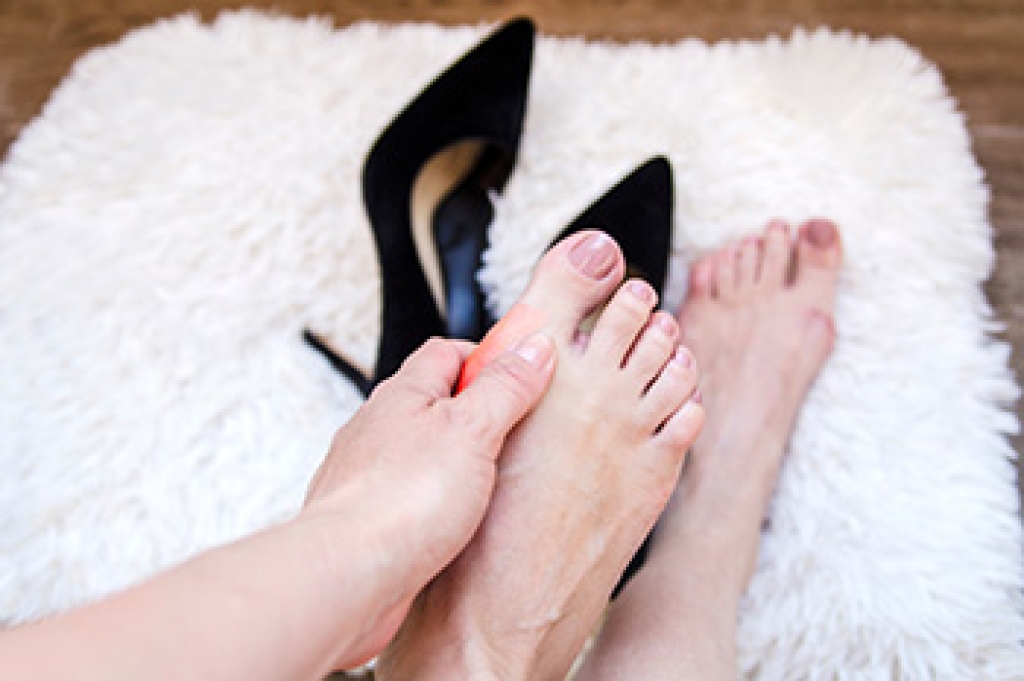
High heels may look great, but they can cause significant foot problems and impact overall body health. The pressure and angle of high heels can lead to a range of issues, such as bunions, hammertoes, and neuromas, often requiring surgery to correct. Wearing high heels also affects your posture, which can lead to back, leg, and foot pain as the body tries to compensate for the imbalance they create. The altered gait from wearing heels can overwork the hip flexors and knee muscles, increasing the risk of joint and muscle pain. Balance is also compromised, increasing the likelihood of falls and sprained ankles. High heels force the lumbar spine to flatten and the thoracic spine to curve excessively, possibly causing chronic back pain. The continuous flexing of hip muscles can lead to their contraction and shortening, contributing to hip and lower back pain. Consulting a podiatrist can provide valuable insights and treatments tailored to individual needs. If you have foot pain related to wearing high heels, it is suggested that you schedule an appointment with a podiatrist for a diagnosis and treatment.

High heels have a history of causing foot and ankle problems. If you have any concerns about your feet or ankles, contact Cory Brown, DPM from Cory Brown, DPM. Our doctor can provide the care you need to keep you pain-free and on your feet.

Effects of High Heels on the Feet

High heels are popular shoes among women because of their many styles and societal appeal.  Despite this, high heels can still cause many health problems if worn too frequently.

Which Parts of My Body Will Be Affected by High Heels?

  • Ankle Joints
  • Achilles Tendon – May shorten and stiffen with prolonged wear
  • Balls of the Feet
  • Knees – Heels cause the knees to bend constantly, creating stress on them
  • Back – They decrease the spine’s ability to absorb shock, which may lead to back pain.  The vertebrae of the lower back may compress.

What Kinds of Foot Problems Can Develop from Wearing High Heels?

  • Corns
  • Calluses
  • Hammertoe
  • Bunions
  • Morton’s Neuroma
  • Plantar Fasciitis

How Can I Still Wear High Heels and Maintain Foot Health?

If you want to wear high heeled shoes, make sure that you are not wearing them every day, as this will help prevent long term physical problems.  Try wearing thicker heels as opposed to stilettos to distribute weight more evenly across the feet.  Always make sure you are wearing the proper shoes for the right occasion, such as sneakers for exercising.  If you walk to work, try carrying your heels with you and changing into them once you arrive at work.  Adding inserts to your heels can help cushion your feet and absorb shock. Full foot inserts or metatarsal pads are available. 

If you have any questions, please feel free to contact our office located in Lewiston, ID . We offer the newest diagnostic and treatment technologies for all your foot care needs.
Read more about Effect of High Heels on the Feet

Connect With Us